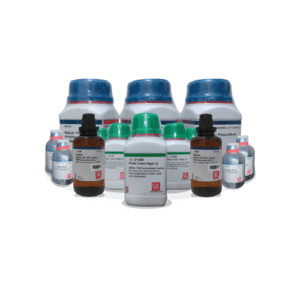
Description
Specifications Table
| Product Name | L-Tryptophan for tissue culture, 99% | 49102 | SRL Chem |
|---|---|
| Pack Size | 25 Gms, 100 Gms |
| Form | Powder |
| Grade | Tissue Culture |
| Application | Cell culture media, biochemical research, protein synthesis |
Product Description
L-Tryptophan is an essential amino acid critical for protein synthesis, neurotransmitter production, and cell growth. This high-purity (99%) grade is specifically designed for tissue culture applications, ensuring optimal performance in research labs, academic institutions, and biotech facilities.
Whether you’re culturing cells, studying metabolic pathways, or conducting biochemical assays, this L-Tryptophan from SRL Chem delivers consistent results. Its tissue culture grade purity minimizes contaminants, making it ideal for sensitive experiments where precision matters.
Researchers and students across India trust eqipped for reliable lab supplies. With fast shipping and competitive pricing, you can focus on your work without supply chain delays.
Need L-Tryptophan for your next experiment? Order online today and get it delivered to your lab.
FAQs
What is the shelf life of L-Tryptophan for tissue culture?
When stored properly in a sealed container, it remains stable for 2–3 years. Always check the batch-specific expiry date on the label.
Can I use this L-Tryptophan for non-tissue culture applications?
Yes, but for non-research uses (e.g., dietary supplements), ensure compliance with local regulations. This product is optimized for lab use.
How do I prepare a stock solution?
Dissolve in sterile water or buffer (e.g., PBS) at the required concentration. Filter sterilize if needed for cell culture.
Is this product suitable for bacterial culture?
Yes, it’s commonly used in microbial media to support growth, especially for auxotrophic strains requiring tryptophan.
What’s the difference between tissue culture grade and reagent grade?
Tissue culture grade undergoes stricter purification to remove trace contaminants that could affect cell viability, unlike general reagent grades.