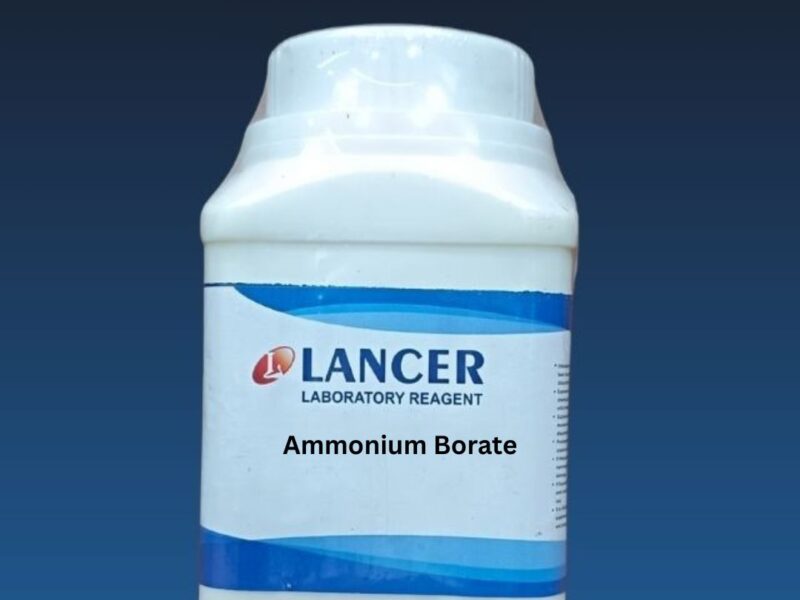
Description
Specifications Table
| Product Name | Propidium Iodide |
|---|---|
| Quantity/Pack Size | 1 gm |
| Form | Powder |
| Grade | Laboratory Grade |
| Application | Flow Cytometry, Cell Viability Assays |
Product Description
Propidium Iodide is a vital tool in the field of molecular biology and cell research. It is a fluorescent dye that binds to nucleic acids, making it an excellent choice for staining DNA and RNA. This dye is particularly useful in flow cytometry, where it helps in the identification and quantification of cells based on their DNA content.
Propidium Iodide is also widely used in cell viability assays. It can differentiate between live and dead cells, as it can only enter cells with compromised membranes. This makes it a valuable reagent for assessing cell health and viability in various experimental settings.
At eqipped, we ensure that our Propidium Iodide is of the highest quality, meeting the stringent standards required for laboratory use. Our product is designed to provide accurate and reliable results, making it a trusted choice among researchers and educators.
Ready to enhance your research with high-quality Propidium Iodide? Shop Now and experience the difference with eqipped.
FAQs
What is Propidium Iodide used for?
Propidium Iodide is used for staining nucleic acids, particularly in flow cytometry and cell viability assays.
Is Propidium Iodide safe to handle?
Propidium Iodide is a high-risk chemical and should be handled with care. Always use appropriate personal protective equipment (PPE) and follow safety guidelines.
What is the pack size of Propidium Iodide available at eqipped?
The pack size available at eqipped is 1 gm.
Can Propidium Iodide be used for staining live cells?
Propidium Iodide can only enter cells with compromised membranes, making it suitable for staining dead or dying cells, not live cells.
How should Propidium Iodide be stored?
Propidium Iodide should be stored in a cool, dry place away from direct sunlight and heat sources.
Risk Note: Propidium Iodide is a high-risk chemical. Handle with care and follow all safety guidelines. Use appropriate personal protective equipment (PPE) and ensure proper disposal methods are followed.