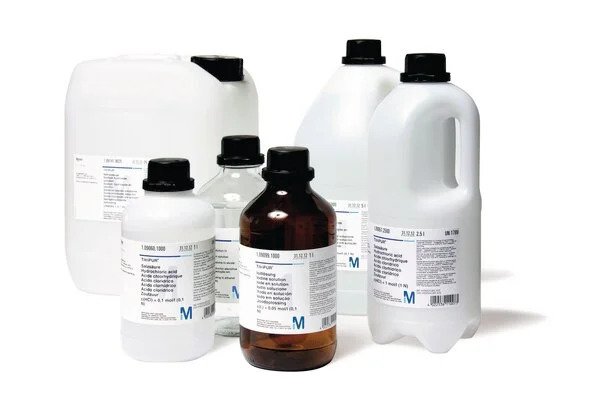
Description
Specifications Table
| Product Name | Dipropylamine For Synthesis |
|---|---|
| Quantity/Pack Size | 500 ML |
| Form | Liquid |
| Grade | For Synthesis |
| Application | Research, synthesis, analytical chemistry |
Product Description
Dipropylamine For Synthesis 500 mL | 8.03548.0500 | Merck is a high-purity synthesis-grade reagent developed for organic synthesis, pharmaceutical research, and fine chemical manufacturing. Produced under stringent quality standards, it offers excellent purity, chemical stability, and consistent batch-to-batch performance for reliable laboratory and industrial applications.
This reagent is widely used as a chemical intermediate in organic synthesis, medicinal chemistry, catalyst preparation, and process development. It is suitable for pharmaceutical companies, research institutes, universities, biotechnology laboratories, and industrial R&D facilities requiring dependable synthesis reagents. The convenient 500 mL pack is ideal for routine laboratory and research use.
Merck Dipropylamine For Synthesis delivers trusted quality and reproducible performance for chemical synthesis, research, and product development.
FAQs
What is Dipropylamine For Synthesis used for?
It is used as a synthesis-grade reagent in organic synthesis, pharmaceutical research, medicinal chemistry, and chemical process development.
Which laboratories commonly use Dipropylamine?
It is widely used in pharmaceutical laboratories, chemical industries, research institutes, universities, and industrial R&D facilities.
Can Dipropylamine be used as a chemical intermediate?
Yes. It is commonly employed as an intermediate in organic synthesis and specialty chemical manufacturing.
Is this product suitable for laboratory research?
Yes. It is manufactured specifically for synthesis and research applications, providing reliable purity and consistent performance.
How should Dipropylamine For Synthesis be stored?
Store the container tightly closed in a cool, dry, well-ventilated place away from heat, ignition sources, oxidizing agents, and incompatible chemicals. Follow the recommendations provided in the product label and Safety Data Sheet (SDS).