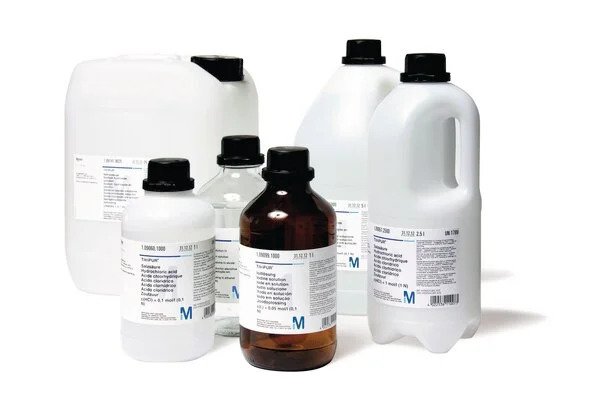
Description
Specifications Table
| Product Name | Epichlorohydrine For Synthesis | 8.03296.1000 | Merck |
|---|---|
| Quantity/Pack Size | 1 LTR |
| Form | Liquid |
| Grade | For Synthesis |
| Application | Organic synthesis, research, chemical reactions |
Product Description
Epichlorohydrine is a versatile chemical compound widely used in organic synthesis and laboratory research. This high-purity, laboratory-grade Epichlorohydrine from Merck is designed for precise applications, ensuring consistent results in experiments. Whether you’re working on polymer synthesis, pharmaceutical research, or chemical modifications, this product delivers the reliability you need.
With a pack size of 1 LTR, it’s ideal for both small-scale experiments and larger research projects. The synthesis-grade purity makes it suitable for demanding applications where impurities can affect outcomes. Researchers and students alike trust Merck’s Epichlorohydrine for its stability and performance in critical reactions.
When you buy Epichlorohydrine online from eqipped, you get a product that meets stringent quality standards. Our seamless ordering process ensures you receive your chemical supplies quickly, so your work stays on track. Whether you’re restocking your lab or starting a new project, this Epichlorohydrine is a dependable choice.
Need high-quality Epichlorohydrine for your lab? Order now and experience fast, reliable delivery with eqipped.
FAQs
What is Epichlorohydrine used for in laboratories?
Epichlorohydrine is primarily used in organic synthesis, including the production of epoxy resins, pharmaceuticals, and agrochemicals. It’s also employed in cross-linking reactions and as a solvent in various chemical processes.
Is this Epichlorohydrine suitable for research applications?
Yes, this product is laboratory-grade and designed for synthesis and research. Its high purity ensures reliable results in experiments.
How should I store Epichlorohydrine?
Store it in a cool, dry place away from heat and incompatible substances. Keep the container tightly sealed to prevent contamination.
Can I buy Epichlorohydrine in smaller quantities?
Currently, this product is available in a 1 LTR pack. For bulk or custom quantities, you may contact eqipped’s customer support for assistance.
What safety precautions should I take when handling Epichlorohydrine?
Wear PPE, work in a ventilated area, and avoid direct contact. Follow the SDS guidelines for safe handling and disposal.