Description
Specifications Table
| Product Name | Micro Test Plate | 57551 | Polylab |
|---|---|
| Pack Size | Flat Bottom, U Bottom |
| Form | Plate |
| Grade | Laboratory Grade |
| Application | ELISA, Cell Culture, Diagnostic Assays |
Product Description
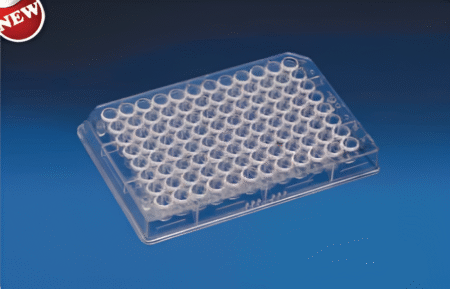
When it comes to reliable lab supplies, the Micro Test Plate | 57551 | Polylab stands out as a top choice for researchers, students, and educators. Designed for precision and durability, these plates are essential for a wide range of applications, from ELISA tests to cell culture experiments. Whether you need flat-bottom plates for optical clarity or U-bottom plates for better cell aggregation, this product delivers consistent performance.
At eqipped, we understand the importance of high-quality lab equipment. That’s why we offer these micro test plates in both flat and U-bottom configurations, ensuring you get the right fit for your specific needs. The plates are made from premium materials, providing excellent chemical resistance and minimal background interference, which is crucial for accurate results.
If you’re looking to buy micro test plates online, eqipped provides a seamless shopping experience with fast delivery across India. Our plates are trusted by labs and educational institutions for their reliability and affordability. Whether you’re setting up a new lab or restocking essential supplies, these micro test plates are a smart investment.
For researchers conducting high-throughput screening or diagnostic tests, the Polylab micro test plates offer the precision and consistency required for reproducible results. The flat-bottom design is ideal for absorbance readings, while the U-bottom variant is perfect for applications requiring cell pellet formation. This versatility makes them a staple in any modern laboratory.
When you order micro test plates from eqipped, you’re not just buying a product—you’re investing in quality and convenience. Our user-friendly platform ensures a hassle-free purchase, and our customer support team is always ready to assist with any queries. Upgrade your lab setup today with these high-performance test plates.
FAQs
What are the key applications of Micro Test Plate | 57551 | Polylab?
These plates are widely used in ELISA assays, cell culture experiments, and diagnostic testing due to their high precision and compatibility with standard lab equipment.
Can I buy micro test plates online in bulk?
Yes, eqipped offers bulk purchasing options for labs and institutions. Contact our support team for customized quotes and discounts.
Are these plates autoclavable?
The Micro Test Plate | 57551 | Polylab is designed for single-use applications and is not recommended for autoclaving. Always follow the manufacturer’s guidelines for safe usage.
What is the difference between flat-bottom and U-bottom plates?
Flat-bottom plates are ideal for optical measurements like absorbance readings, while U-bottom plates are better suited for cell pellet formation and suspension cultures.
How do I choose the right micro test plate for my experiment?
Consider your application—flat-bottom plates work best for spectrophotometry, while U-bottom plates are preferred for cell-based assays. If unsure, consult your lab protocol or reach out to eqipped for guidance.