Description
Specifications Table
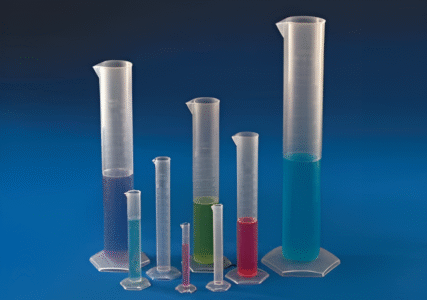
| Product Name | Measuring Cylinders Hexagonal | 80031 | Polylab |
|---|---|
| Pack Size | 10ml, 25ml, 50ml, 100ml, 250ml, 500ml, 1000ml, 2000ml |
| Form | Hexagonal Base |
| Grade | Laboratory Grade |
| Application | Precise liquid measurement in labs, schools, and research |
Product Description
When accuracy matters, the Measuring Cylinders Hexagonal | 80031 | Polylab delivers reliable results every time. Designed for students, educators, and researchers, these cylinders combine durability with precision, making them a staple in any lab setting.
The hexagonal base ensures stability, preventing accidental spills during measurements. Made from high-quality borosilicate glass, they resist thermal shock and chemical corrosion, ensuring long-term use. Whether you’re measuring reagents for an experiment or preparing solutions for a class demonstration, these cylinders provide clear, easy-to-read graduations for error-free results.
Available in sizes ranging from 10ml to 2000ml, you can choose the perfect fit for your needs. The ergonomic design makes pouring and handling effortless, while the reinforced rim adds extra durability. For those who demand precision without compromise, this is the ideal choice.
Upgrade your lab setup today—shop measuring cylinders online at eqipped for fast, hassle-free delivery.
FAQs
What is the material of these measuring cylinders?
They are made from high-quality borosilicate glass, known for its thermal and chemical resistance.
Can I use these cylinders for hot liquids?
Yes, borosilicate glass can withstand high temperatures, making it safe for hot liquids.
Are the graduations permanent?
Absolutely. The markings are etched into the glass, ensuring they won’t fade or wear off over time.
Do these cylinders come with a warranty?
eqipped offers a standard warranty against manufacturing defects. Check our return policy for details.
How do I clean these cylinders properly?
Use distilled water and a mild detergent. Avoid harsh chemicals or abrasive scrubbers to maintain clarity and accuracy.