Description
Specifications
Product Name – Excretory System Model
Quantity/Pack Size – Single Unit
Form – Solid Model
Grade – Laboratory Grade
Application – Anatomical Visualization, Demonstration, Laboratory Reference
product overview
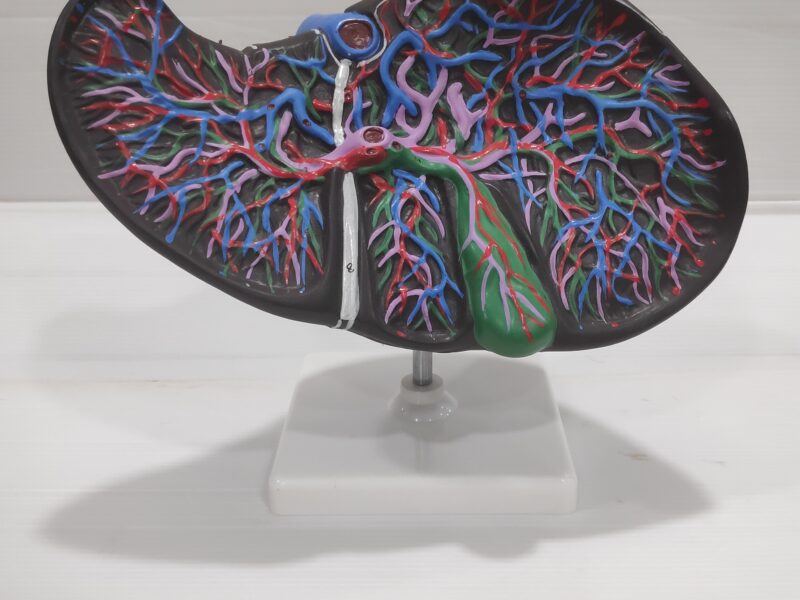
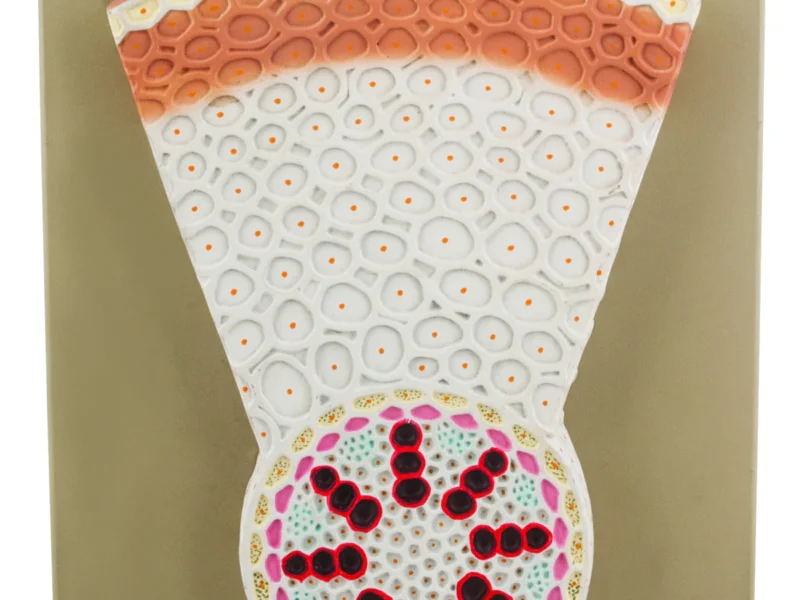
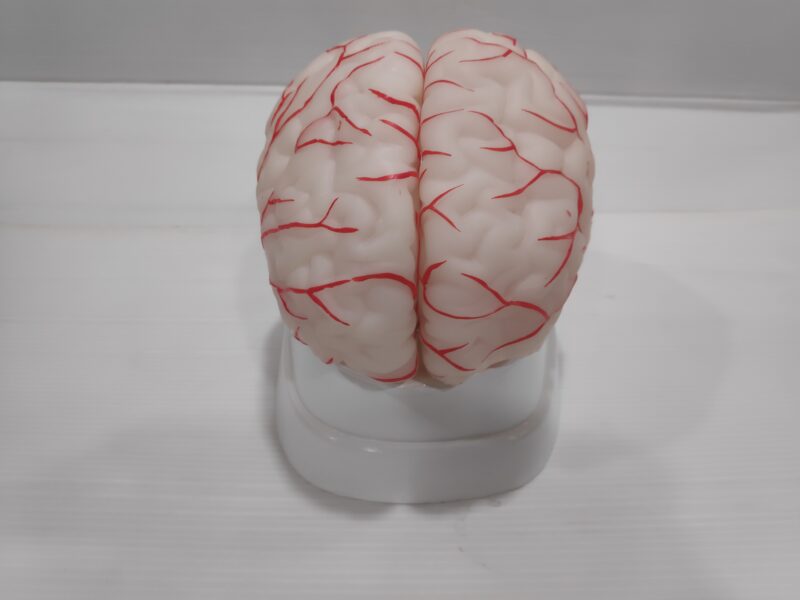
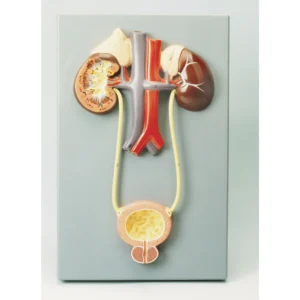
The Excretory System Model is meticulously designed to provide a detailed and accurate representation of the human excretory system. Made from high-quality laboratory-grade materials, this model ensures long-lasting durability and structural integrity under repeated use. It includes all major organs, such as the kidneys, ureters, bladder, and associated vascular structures, with precise anatomical proportions and clearly distinguished components. The model’s robust construction allows safe handling and manipulation while maintaining stability, and its smooth surfaces are resistant to wear, moisture, and environmental factors. The modular design allows selective removal of organs for detailed examination, enhancing observation of internal structures. The lightweight yet sturdy build ensures ease of placement, transport, and demonstration within laboratory settings. Its realistic detailing facilitates clear understanding of organ interconnections and overall excretory system functionality. With its combination of precision, durability, and practical usability, the Excretory System Model serves as an essential tool for laboratories requiring reliable anatomical visualization. The stable construction, fine detailing, and high-quality materials make it an ideal choice for repeated handling, accurate demonstrations, and comprehensive study of human excretory anatomy.
FAQs
1. Can the Excretory System Model be disassembled for organ study?
Yes, key organs can be removed carefully to examine internal structures in detail.
2. Is this model compatible with standard lab mounting stands?
Yes, it is designed to fit standard laboratory display stands for secure positioning.
3. Are there complementary models available to pair with this excretory system model?
Yes, models like the circulatory, digestive, and nervous systems can be integrated for complete anatomical visualization.
4. What storage conditions maintain the model’s quality over time?
Store in a dry, clean area away from direct sunlight, heat, or extreme moisture to preserve material integrity.
5. Can multiple units be ordered for institutional or classroom use?
Yes, bulk and institutional orders are available to accommodate educational or laboratory requirements.