Description
Specifications
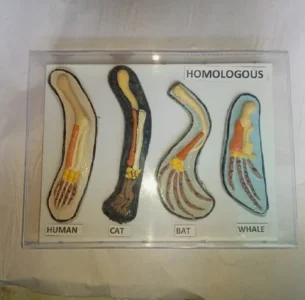
Product Name – Homologous Model
Quantity/Pack Size – Single Unit
Form – Solid Model with Color-Coded Sections
Grade – Laboratory Grade
Application – Comparative Anatomy, Homologous Structure Study, Laboratory Reference
product overview
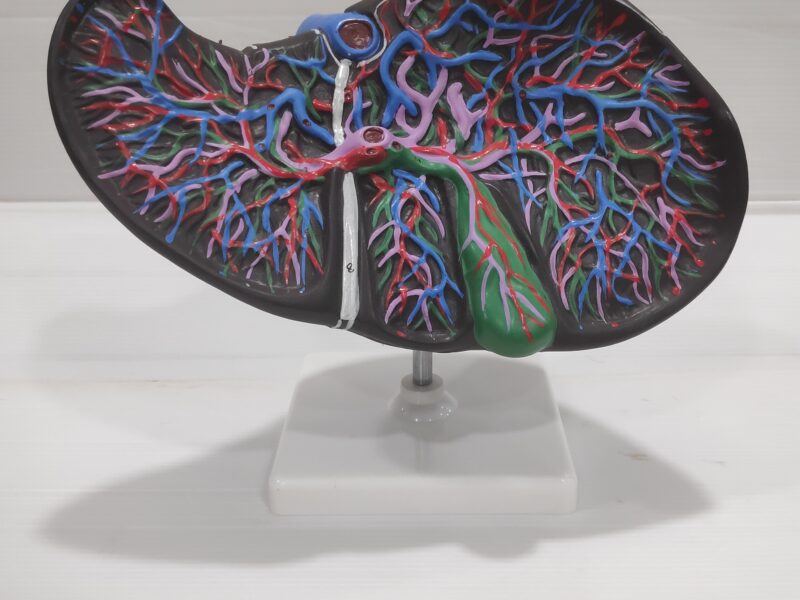
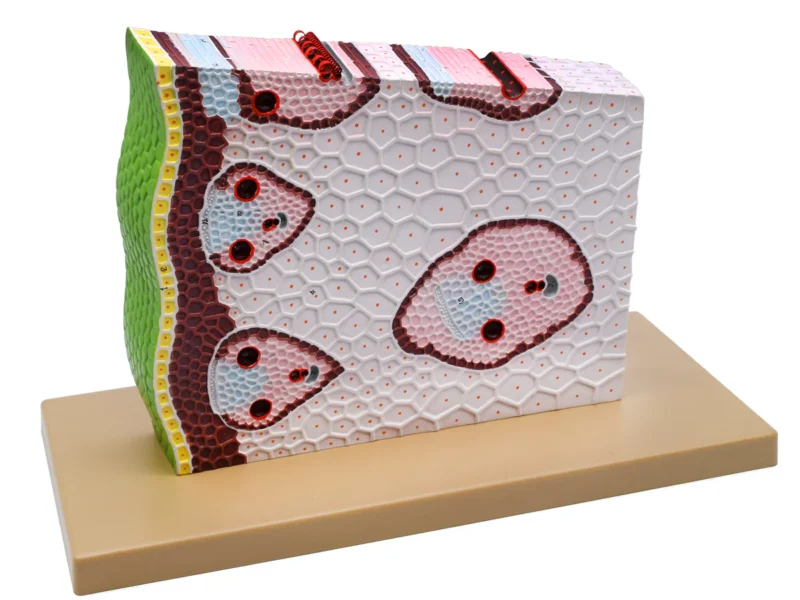
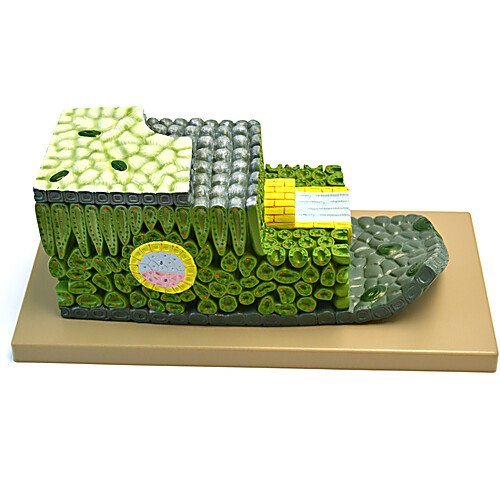
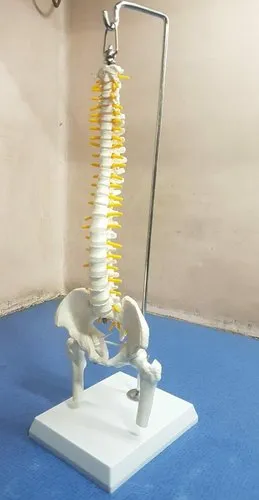
The Homologous Model is a precision-engineered tool designed to represent structural similarities among diverse organisms, emphasizing evolutionary relationships and functional equivalence. Manufactured from high-quality laboratory-grade materials, the model provides exceptional durability and maintains anatomical accuracy over time. Each feature is meticulously crafted to display homologous organs and appendages, with color-coded sections aiding in visual differentiation and study of subtle structural variations. The model demonstrates the correspondence of organ systems despite evolutionary divergence, allowing users to recognize shared developmental patterns. Its robust yet lightweight construction ensures ease of handling and portability while maintaining fine detail fidelity. The design supports repeated observation and interaction, facilitating examination of individual components and structural arrangements without compromising integrity. By highlighting functional and morphological parallels, the Homologous Model enhances understanding of biological form relationships, providing a realistic, detailed, and clear representation. Its precise engineering, visual clarity, and durable materials make it suitable for laboratory collections, scientific reference, and demonstration purposes, providing an intuitive tool for exploring organismal homology and comparative anatomy in a practical and visually accessible format.
FAQs
1. Does the Homologous Model feature color-coded structures for clarity?
Yes, each homologous structure is distinctly color-coded for easy visual identification and differentiation.
2. Is the model compatible with laboratory display stands?
Yes, its solid and stable construction allows safe placement on standard laboratory surfaces and display stands.
3. Are alternative models available for comparative studies?
Yes, analogous structure models and detailed organ-specific models are available to complement homologous studies.
4. How should this model be stored to prevent damage?
Keep it in a clean, dry environment, away from direct sunlight and high humidity to preserve material integrity.
5. Can multiple units be purchased for group demonstrations?
Yes, bulk purchase options are available to support laboratory sessions and instructional use.