Description
Specifications
Product Name – Cockroach Digestive System Model
Quantity/Pack Size – Single Unit
Form – Solid, Color-Coded Anatomical Replica
Grade – Laboratory Grade
Application – Insect Anatomy Visualization, Functional Observation, Comparative Zoology
product overview
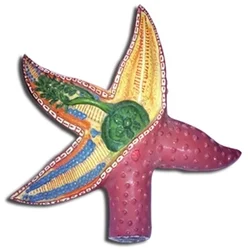
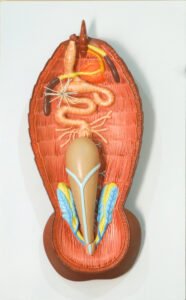
The Cockroach Digestive System Model provides an accurate, detailed representation of the internal anatomy of a cockroach, focusing specifically on the digestive organs and their organization. Crafted from durable, laboratory-grade materials, this model ensures long-lasting precision and robust handling. All major components, including the mouthparts, esophagus, crop, gizzard, stomach, digestive glands, intestine, and rectum, are distinctly color-coded to allow easy identification of structures. The model highlights the functional arrangement of the alimentary canal, showing connections and relative positions of each organ, enhancing visual comprehension of the cockroach’s digestive process. Its segmented design accurately represents anatomical features such as the foregut, midgut, and hindgut, providing a three-dimensional perspective for detailed examination. Compact and stable, the model supports repeated observation without compromising structural integrity, making it ideal for laboratory display and handling. Each organ is proportionally scaled, allowing users to explore the relationship between different digestive components and appreciate their relative size and placement. The Cockroach Digestive System Model is a precise, visually clear, and reliable tool for understanding insect digestive anatomy, offering an interactive and durable solution for laboratory study, demonstration, and repeated practical reference.
FAQs
1. Does the model show all digestive organs of the cockroach?
Yes, it includes mouthparts, esophagus, crop, gizzard, stomach, digestive glands, intestine, and rectum, all clearly represented and color-coded.
2. Can this model be combined with other insect anatomy models?
Yes, it is compatible with other insect or invertebrate models for comparative study and functional observation.
3. Are there alternative models for cockroach anatomy?
Yes, alternatives include full-body cockroach models, reproductive system models, or cross-sectional anatomical charts for insects.
4. How should this model be maintained and stored?
Keep in a dry, clean place, away from direct sunlight or excessive humidity to preserve color and material durability.
5. Is bulk ordering available for classrooms or laboratories?
Yes, multiple units can be purchased to equip educational labs or research facilities efficiently.