Description
Specifications
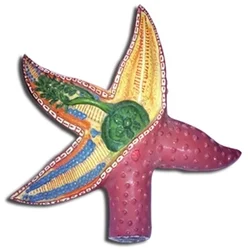
Product Name – Root Nodules of Leguminous Plants Model
Quantity/Pack Size – Single Unit
Form – 3D Anatomical Replica
Grade – Laboratory Grade
Application – Plant Morphology Study, Root-Bacteria Interaction Observation, Laboratory Demonstration
product overview
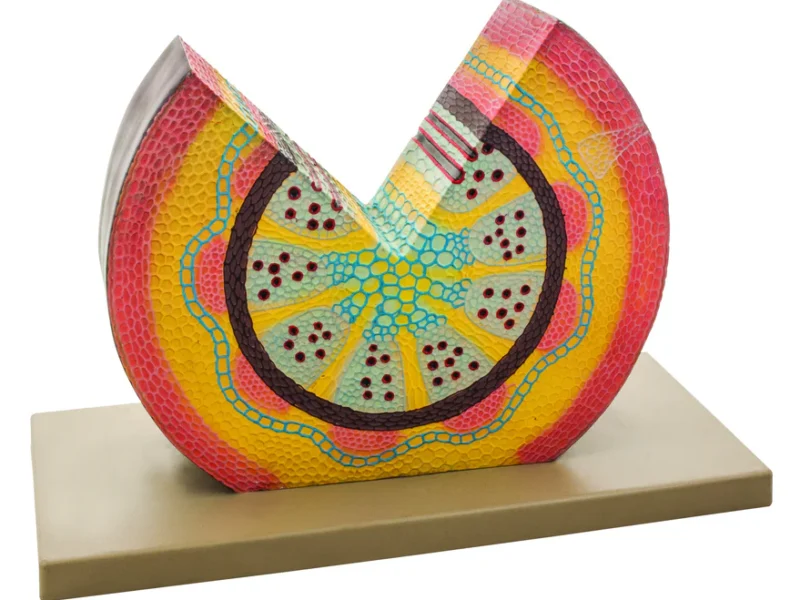
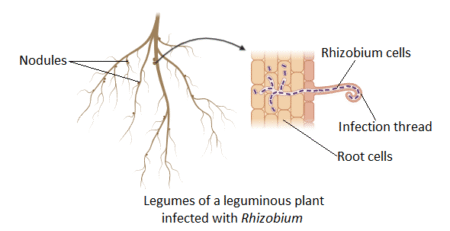
The Root Nodules of Leguminous Plants Model is a highly detailed laboratory-grade replica designed to accurately represent the nodulation process in leguminous plants. Crafted from durable and scientifically precise materials, the model showcases root structures with clearly defined nodules, emphasizing the interaction between plant roots and nitrogen-fixing bacteria. Each nodule is carefully sculpted to reflect natural size, shape, and arrangement along the root system, allowing for close inspection of morphological features. The model demonstrates variations in nodule development, surface texture, and spatial distribution, highlighting essential structural characteristics that are critical for observation and study. Mounted on a stable base, it ensures secure handling and ease of examination while providing visual clarity of the root system and associated nodules. The contrasting colors and realistic textures enhance visibility of key components, making it easier to distinguish nodules from roots. Its robust laboratory-grade construction ensures longevity and resistance to repeated handling, making it suitable for frequent use in laboratory settings. The combination of scientific accuracy, durable materials, and visual detail makes this model an effective tool for exploring root morphology, nodule development, and plant-bacteria interactions in a detailed and reproducible manner, providing reliable performance for repeated laboratory inspection and morphological study.
FAQs
1. Does this model display variations in nodule size and development?
Yes, it accurately represents different stages and sizes of root nodules along the leguminous root system.
2. Can it be used alongside other plant anatomical models?
Yes, it is compatible with other laboratory-grade plant morphology models for comparative observation.
3. What is the recommended method for cleaning the model?
Use a soft, dry cloth to remove dust, and avoid exposing it to moisture or direct sunlight.
4. Are there alternative models for non-leguminous plant roots?
Yes, models representing various non-leguminous root systems are available from laboratory suppliers.
5. Is the model durable enough for repeated handling in labs?
Yes, its laboratory-grade construction ensures it withstands frequent handling without structural damage.