Description
Specifications
Product Name – Marchantia Model
Quantity/Pack Size – Single Unit
Form – 3D Plant Replica
Grade – Laboratory Grade
Application – Plant Structure Observation, Thallus and Reproductive Organ Study, Laboratory Demonstration
product overview
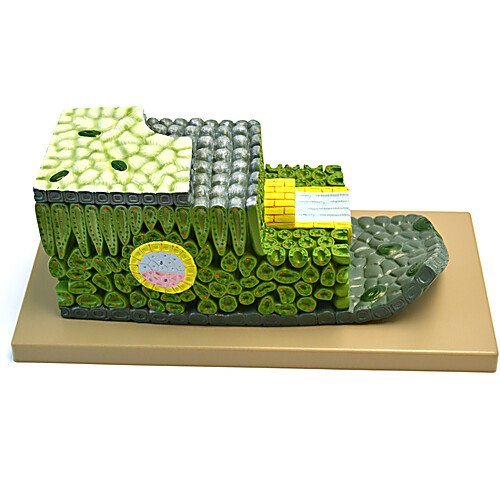
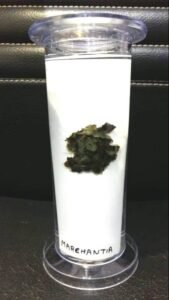
The Marchantia Model is a high-quality, laboratory-grade 3D representation of the liverwort plant, designed to display structural and anatomical features with precision. Constructed from durable, non-toxic materials, the model accurately illustrates the thallus, gemma cups, archegonia, and antheridia, emphasizing the spatial arrangement and proportional relationships of plant organs. The surface of the thallus is textured to reflect natural morphology, while reproductive structures are highlighted to allow clear differentiation. Mounted on a stable base, the model ensures secure handling during observation and demonstration. Vivid coloration differentiates key features for easier identification, making detailed study more accessible. Lightweight yet robust, the model is ideal for laboratory handling, transport, and storage. Its precise anatomical detailing provides a comprehensive visual tool for understanding liverwort morphology and reproductive adaptations, offering a combination of durability, realism, and clarity. The Marchantia Model serves as a versatile aid for laboratory visualization, supporting detailed observation, demonstration, and comparative studies of plant structures, allowing researchers, students, and educators to examine thallus architecture, reproductive structures, and overall morphology effectively.
FAQs
1. Does this model highlight reproductive organs?
Yes, the gemma cups, archegonia, and antheridia are clearly represented and differentiated on the model.
2. Can it be used with other plant models?
Yes, it is compatible with other laboratory-grade plant models for comparative structural studies.
3. How should the model be maintained?
Store in a dry, dust-free location and avoid direct sunlight to preserve colors and structural integrity.
4. Are alternative liverwort models available?
Yes, models of other bryophytes and mosses are available for detailed plant morphology studies.
5. Is the model suitable for repeated handling?
Yes, it is constructed from durable laboratory-grade materials designed for repeated use in lab environments.