Description
Specifications Table
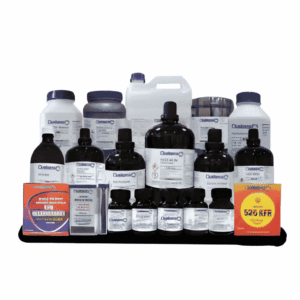
| Product Name | n-Hexane HPLC | Q43616 | Qualigens |
|---|---|
| Pack Size | 1 LT, 2.5 LT |
| Form | Liquid |
| Grade | HPLC |
| Application | Chromatography, laboratory analysis |
Product Description
When precision matters in your lab, n-Hexane HPLC from Qualigens delivers the purity and consistency you need. This high-performance solvent is specifically designed for HPLC applications, ensuring minimal interference and reliable results. Whether you’re a student, researcher, or educator, this solvent is a trusted choice for chromatography and other analytical techniques.
At eqipped, we understand the importance of quality in laboratory supplies. That’s why we offer n-Hexane HPLC in convenient pack sizes of 1 LT and 2.5 LT, making it easy to stock up for your experiments. The HPLC grade ensures that you get the highest level of purity, free from impurities that could affect your analysis.
If you’re looking to buy n-Hexane HPLC online, eqipped provides a seamless shopping experience with fast delivery across India. Our platform is designed to meet the needs of students, researchers, and educators, offering a wide range of lab supplies at competitive prices.
Need high-purity n-Hexane for your HPLC experiments? Order now and experience the difference in quality.
n-Hexane HPLC is widely used in laboratories for its excellent solvent properties. It is particularly effective in separating non-polar compounds, making it a staple in many analytical processes. The Qualigens brand is synonymous with reliability, ensuring that you get consistent performance every time.
For those searching for the best n-Hexane HPLC supplier in India, eqipped stands out with its commitment to quality and customer satisfaction. We source our products from trusted manufacturers, so you can be confident in the authenticity and performance of every purchase.
Whether you’re setting up a new lab or restocking your supplies, n-Hexane HPLC from eqipped is a smart choice. Its versatility and high purity make it suitable for a variety of applications, from routine analysis to advanced research.
FAQs
What is n-Hexane HPLC used for?
n-Hexane HPLC is primarily used as a solvent in high-performance liquid chromatography (HPLC) for separating non-polar compounds. It is also used in other laboratory applications where a high-purity solvent is required.
Is n-Hexane HPLC safe to use?
While n-Hexane is highly flammable and can be harmful if inhaled or swallowed, it is safe to use when proper safety precautions are followed. Always use it in a well-ventilated area and wear appropriate protective gear.
Can I buy n-Hexane HPLC online in India?
Yes, you can easily buy n-Hexane HPLC online from eqipped. We offer fast delivery and competitive pricing, making it convenient for students, researchers, and educators to get the supplies they need.
What pack sizes are available for n-Hexane HPLC?
n-Hexane HPLC is available in pack sizes of 1 LT and 2.5 LT, allowing you to choose the quantity that best suits your laboratory needs.
Why should I choose Qualigens n-Hexane HPLC?
Qualigens is a trusted brand known for its high-quality laboratory supplies. Their n-Hexane HPLC is designed to meet the stringent requirements of HPLC applications, ensuring accurate and reliable results.