Description
Specifications Table
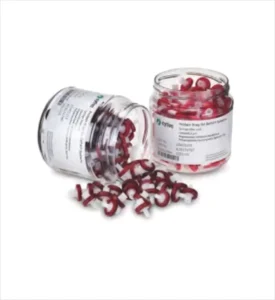
| Product Name | Whatman Protein Prep Syringe Filter | 10463103 |
|---|---|
| Pack Size | 150 units (13mm, 0.2um RC), 150 units (13mm, 0.45um C), 150 units (30mm, 0.45um RC), 150 units (30mm, 0.2um RC) |
| Form | Syringe Filter |
| Grade | Laboratory Grade |
| Application | Protein Purification, Sample Preparation |
Product Description
When it comes to protein purification, precision matters. The Whatman Protein Prep Syringe Filter is designed to deliver consistent, high-quality results for researchers and lab professionals. Whether you’re preparing samples for HPLC, mass spectrometry, or other analytical techniques, these filters ensure your protein solutions are free from contaminants and particulates.
Available in both 0.2µm and 0.45µm pore sizes, these syringe filters are compatible with a wide range of solvents and buffers. The regenerated cellulose (RC) and cellulose acetate (C) membranes provide excellent chemical compatibility, making them ideal for protein-based applications. The 13mm and 30mm diameters offer flexibility for different sample volumes, ensuring you have the right filter for your needs.
At eqipped, we understand the importance of reliable lab supplies. That’s why we stock genuine Whatman products, trusted by scientists worldwide. Whether you’re a student setting up your first experiment or a seasoned researcher, these filters help streamline your workflow and improve reproducibility.
Upgrade your protein purification process with Whatman Protein Prep Syringe Filters. Buy online today for fast, hassle-free delivery.
FAQs
What is the difference between RC and cellulose acetate membranes?
RC (regenerated cellulose) membranes are hydrophilic and have low protein binding, making them ideal for aqueous solutions. Cellulose acetate membranes are also low-protein-binding but offer slightly different chemical compatibility. For most protein applications, RC is preferred.
Can these filters be autoclaved?
No, Whatman Protein Prep Syringe Filters are not autoclavable. They are designed for single-use applications to maintain sterility and performance.
How do I know which pore size to use for my protein sample?
For general clarification, 0.45µm is sufficient. If you need sterile filtration (e.g., for cell culture), opt for 0.2µm. Always consider your downstream application requirements.
Are these filters compatible with organic solvents?
While RC membranes handle some organic solvents, cellulose acetate has broader compatibility. For aggressive solvents like DMSO or acetone, check the chemical compatibility chart or consider PTFE membranes.
How should I store these filters?
Store them in a cool, dry place away from direct sunlight. Keep them in their original packaging until use to prevent contamination.