Description
Specifications Table
| Product Name | Whatman 603 Cellulose Thimbles | 11350101 |
|---|---|
| Pack Size | 9x50MM (Pack of 25), 22x60MM (Pack of 25), 25x100MM (Pack of 25), 33x130MM (Pack of 25), 48x200MM (Pack of 25), 75x250MM (Pack of 25) |
| Form | Thimble |
| Grade | Laboratory |
| Application | Soxhlet extraction, solvent filtration |
Product Description
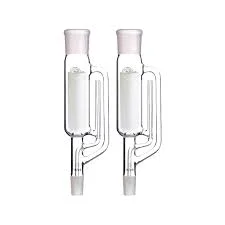
When precision matters in solvent extraction, Whatman 603 Cellulose Thimbles deliver unmatched reliability. Designed for Soxhlet apparatus, these thimbles ensure efficient filtration without compromising sample integrity. Made from high-purity cellulose, they resist organic solvents and maintain structural strength even under prolonged use.
Researchers and students trust Whatman 603 for consistent performance in fat extraction, environmental testing, and pharmaceutical analysis. The uniform porosity guarantees optimal flow rates, reducing extraction time while maximizing yield. Whether you’re working in a university lab or a research facility, these thimbles provide the consistency your experiments demand.
At eqipped, we understand the importance of quality lab supplies. That’s why we stock genuine Whatman products, ensuring you get the same trusted performance that professionals rely on worldwide. Need bulk quantities for your lab? Explore our competitive pricing and fast shipping options today.
FAQs
What makes Whatman 603 thimbles better than other brands?
Whatman’s strict manufacturing standards ensure uniform porosity and solvent resistance, delivering more reliable results than generic alternatives.
Can I reuse these cellulose thimbles?
While technically possible, we recommend single-use for accurate results, as residue buildup can affect subsequent extractions.
How do I know which size to order?
Check your Soxhlet extractor’s specifications or measure the chamber diameter. Most standard setups use 25x100mm or 33x130mm sizes.
Are these thimbles compatible with all solvents?
They work with most organic solvents but avoid strong acids or oxidizing agents that may degrade cellulose.
Does eqipped offer bulk discounts on these thimbles?
Yes, we provide competitive pricing for educational institutions and research labs. Contact our team for customized quotes.