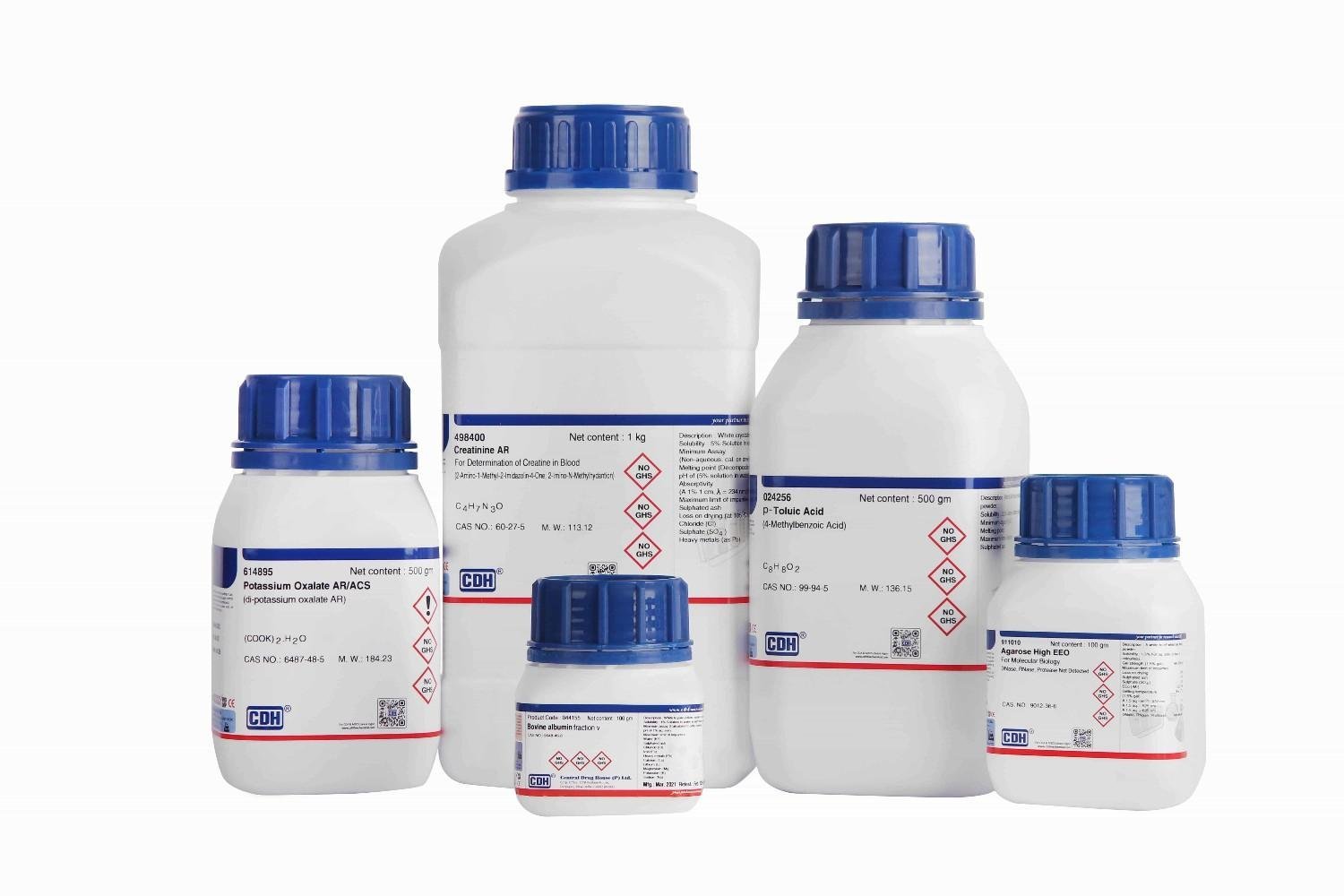
Description
Specifications Table
| Product Name | Anisic Alcohol for Synthesis (Anise Alcohol, Anisyl Alcohol) | 11395 | CDH |
|---|---|
| Pack Size | 100g, 500g, 1kg |
| Form | Liquid |
| Grade | For Synthesis |
| Application | Organic synthesis, research, pharmaceutical intermediates |
Product Description
Anisic Alcohol, also known as Anise Alcohol or Anisyl Alcohol, is a high-quality chemical compound widely used in organic synthesis and research laboratories. This lab-grade reagent is essential for experiments requiring precise and reliable results. Whether you’re a student working on a project or a researcher developing new compounds, this product ensures consistency and purity in your work.
At eqipped, we understand the importance of using trusted chemicals in your lab. That’s why we source Anisic Alcohol for Synthesis from reputable manufacturers, ensuring it meets stringent quality standards. The compound is commonly used as an intermediate in pharmaceutical synthesis, fragrance production, and various organic reactions. Its pleasant anise-like aroma also makes it useful in perfumery and flavoring applications.
When you buy Anisic Alcohol online from eqipped, you get a product that’s carefully packaged to maintain its integrity during transit. Our user-friendly platform makes it easy to order lab supplies, with detailed product information to help you make informed decisions. Whether you need a small quantity for a single experiment or bulk supplies for ongoing research, we’ve got you covered.
Looking for a reliable anisic alcohol supplier? Order now and experience hassle-free delivery across India.
The versatility of Anisic Alcohol extends beyond traditional lab use. It serves as a building block in the synthesis of more complex organic molecules, making it a staple in both academic and industrial research settings. The compound’s hydroxyl group allows for various functionalization reactions, while its methoxy group contributes to its unique chemical properties.
For students and educators, this product offers an excellent opportunity to demonstrate key organic chemistry concepts in practical sessions. Its well-documented properties make it ideal for teaching purposes, helping learners understand reaction mechanisms and functional group behaviors. Researchers appreciate its consistency in repetitive experiments, which is crucial for obtaining reproducible results.
When handling Anisic Alcohol, it’s important to follow standard laboratory safety procedures. Always use appropriate personal protective equipment and work in a well-ventilated area. The compound should be stored in a cool, dry place away from incompatible substances to maintain its stability and extend its shelf life.
FAQs
What is the purity level of this Anisic Alcohol?
Our Anisic Alcohol for Synthesis meets high purity standards suitable for laboratory use, typically above 98%. The exact specifications are provided with each batch.
Can I use this product for food or cosmetic applications?
This product is labeled “for synthesis” and is intended for laboratory and research use only. For food or cosmetic applications, you would need a different grade specifically approved for those purposes.
What’s the shelf life of Anisic Alcohol?
When stored properly in a cool, dry place with the container tightly sealed, Anisic Alcohol typically has a shelf life of 2-3 years from the date of manufacture.
Do you offer bulk discounts on Anisic Alcohol?
Yes, we provide competitive pricing for bulk orders. Contact our customer support team to discuss your specific requirements and get a customized quote.
How should I store Anisic Alcohol to maintain its quality?
Store the chemical in its original container, away from direct sunlight and heat sources. Keep the container tightly sealed when not in use to prevent moisture absorption and oxidation.