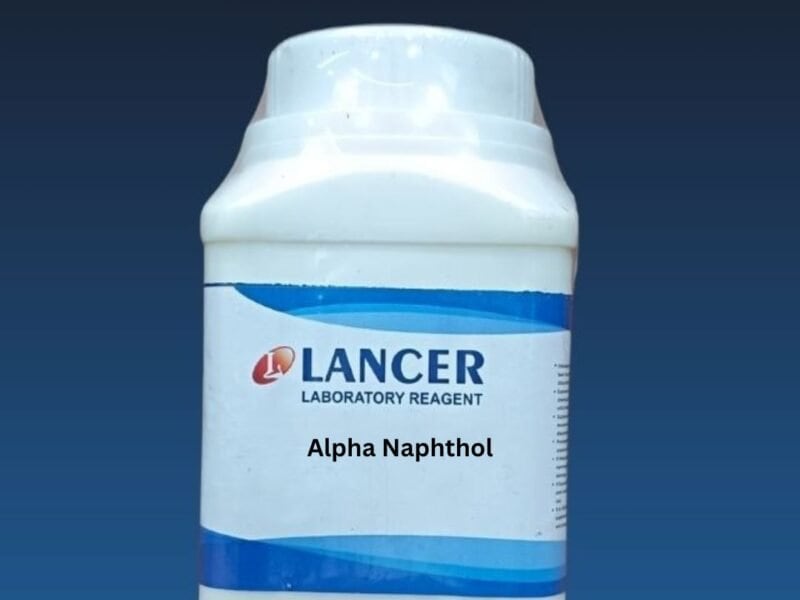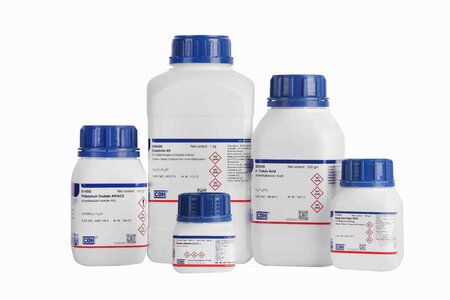
Description
Specifications Table
| Product Name | Malt Extract Powder Plant Culture Tested | PCT1412 | CDH |
|---|---|
| Pack Size | 500g |
| Form | Powder |
| Grade | Laboratory Grade (Plant Culture Tested) |
| Application | Plant tissue culture, microbial media, fermentation studies |
Product Description
When it comes to plant tissue culture and microbial research, the quality of your media components can make or break your experiments. Malt Extract Powder (PCT1412 | CDH) is a laboratory-grade nutrient source specifically tested for plant culture applications, ensuring consistent performance in your lab.
Derived from malted barley, this powder provides a rich blend of carbohydrates, amino acids, vitamins, and minerals essential for robust plant cell growth and microbial cultivation. Unlike generic food-grade malt extracts, this variant undergoes rigorous testing to meet the stringent requirements of plant tissue culture protocols.
Researchers and students working with plant tissue culture media often face challenges like contamination or inconsistent growth. This malt extract powder helps mitigate these issues by offering a standardized, high-purity formulation. Its fine powder form ensures easy dissolution, making media preparation hassle-free.
Whether you’re setting up callus cultures, propagating plantlets, or studying microbial interactions, this product delivers reliable results. Many labs across India trust eqipped for their supply of laboratory-grade malt extract, thanks to our commitment to quality and authenticity.
Upgrade your plant culture media with PCT1412 | CDH malt extract powder. Order today for precise, reproducible results in your experiments.
Key Applications in Laboratory Settings
This malt extract powder isn’t just for plant tissue culture—it’s a versatile component in various lab applications:
1. Plant Tissue Culture Media: A core ingredient in Murashige and Skoog (MS) medium and other formulations, providing essential nutrients for cell division and differentiation.
2. Microbial Culture: Supports the growth of bacteria and fungi in research settings, particularly for species that thrive on complex carbon sources.
3. Fermentation Studies: Used in small-scale fermentation experiments to study microbial metabolism and enzyme production.
4. Educational Labs: Ideal for university and college practicals where students learn aseptic techniques and media preparation.
5. Bioactive Compound Production: Facilitates the cultivation of microorganisms that produce industrially relevant enzymes or secondary metabolites.
For researchers looking to buy malt extract powder online in India, this product offers the perfect balance of purity and performance. The plant culture tested certification ensures it meets the specific needs of your experiments.
Why This Malt Extract Stands Out
Not all malt extracts are created equal. Here’s what makes this product a preferred choice among researchers:
The PCT1412 | CDH grade undergoes additional quality checks to confirm its suitability for plant culture applications. This means fewer batch-to-batch variations and more reliable experimental outcomes.
Its fine powder consistency ensures complete solubility, preventing undissolved particles that could interfere with your cultures. The product is also packaged to maintain stability, with proper moisture control to prevent clumping.
When you source from eqipped, you’re not just buying a product—you’re getting a supply chain optimized for scientific needs. Our products reach you with proper documentation and handling to preserve their integrity.
Handling and Storage Recommendations
To maintain the quality of your malt extract powder:
Store in a cool, dry place away from direct sunlight. The original packaging is designed to protect against moisture—reseal it properly after each use.
For long-term storage, consider dividing the powder into smaller airtight containers to minimize exposure to humidity.
Always use sterile techniques when preparing media to prevent contamination. Weigh the powder in a laminar flow hood when working with sensitive cultures.
Need bulk quantities for your research lab? Contact eqipped for customized packaging options and institutional pricing.
Safety Information
While malt extract powder is generally safe for laboratory use, follow standard lab safety practices:
Avoid inhalation of fine powder particles. Use in a well-ventilated area or under a fume hood when handling large quantities.
Wear appropriate personal protective equipment (lab coat, gloves, safety glasses) during media preparation.
In case of skin or eye contact, rinse thoroughly with water. Seek medical attention if irritation persists.
This product is for laboratory use only and not intended for human consumption.
FAQs
What is the difference between food-grade and laboratory-grade malt extract powder?
Laboratory-grade malt extract like this PCT1412 | CDH variant undergoes additional purification and testing to ensure consistency and absence of contaminants that could affect experimental results. Food-grade versions may contain additives or have higher microbial loads unsuitable for sensitive cultures.
Can I use this malt extract powder for beer brewing?
While technically possible, this product is formulated and priced for laboratory applications. For brewing purposes, food-grade malt extracts would be more cost-effective and appropriate.
How should I prepare media using this malt extract powder?
Typically, you’ll dissolve the required amount in distilled water, adjust the pH, add agar if needed, and autoclave. Specific concentrations depend on your protocol—common ranges are 3-10 g/L for plant culture media. Always follow your established laboratory procedures.
What’s the shelf life of this malt extract powder?
When stored properly in its original packaging, this product maintains its quality for 24 months from the date of manufacture. Check the batch-specific expiration date on your package.
Do you provide certificates of analysis for this product?
Yes, eqipped provides certificates of analysis upon request for all our laboratory-grade products. These documents verify the product’s specifications and test results, which is particularly important for research and quality control purposes.