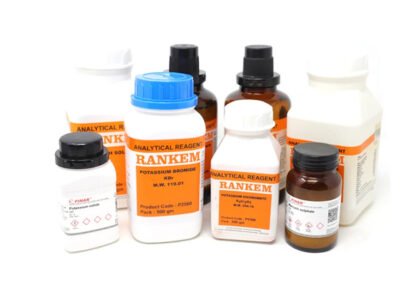
Description
Specifications Table
| Product Name | 3-Pentanol | RANKGCP004 | Avantor |
|---|---|
| Quantity/Pack Size | 100 ml |
| Form | Liquid |
| Grade | AR (Analytical Reagent) |
| Application | Solvent, synthesis, chromatography |
Product Description
3-Pentanol is a versatile solvent widely used in laboratories for research, synthesis, and analytical applications. With its high purity and AR-grade quality, this chemical ensures reliable results in experiments. Whether you’re working on organic synthesis or chromatography, 3-Pentanol from eqipped provides the consistency you need.
This product is sourced from Avantor, a trusted name in lab supplies, ensuring you get a dependable solvent for your work. The 100 ml pack size is perfect for small-scale experiments or educational use, making it a practical choice for students and researchers alike.
When you buy 3-Pentanol online from eqipped, you’re choosing a supplier committed to quality and convenience. Our easy ordering process and fast delivery mean you can focus on your work without delays.
FAQs
What is 3-Pentanol used for in labs?
3-Pentanol is commonly used as a solvent in organic synthesis, chromatography, and other analytical applications due to its high purity.
Is this product suitable for educational use?
Yes, the 100 ml pack size is ideal for students and educators conducting small-scale experiments.
How should I store 3-Pentanol?
Store in a cool, dry place away from heat and ignition sources. Keep the container tightly sealed.
Can I buy 3-Pentanol online in bulk?
Yes, eqipped offers bulk purchasing options for larger quantities. Contact us for custom orders.
What safety precautions should I take?
Wear gloves, goggles, and a lab coat when handling. Avoid inhalation and skin contact.