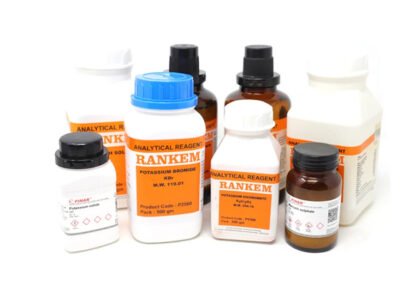
Description
Specifications Table
| Product Name | Potassium nitrite, crystal BAKER ANALYZED? ACS reagent |
|---|---|
| Pack Size | 500 g |
| Form | Crystals |
| Grade | ACS Reagent |
| Application | Analytical chemistry, research, lab testing |
Product Description
Potassium nitrite is a versatile chemical compound widely used in laboratories for analytical and research purposes. This high-purity ACS reagent grade ensures reliable results in experiments, making it a staple for students, researchers, and educators. Whether you’re conducting qualitative analysis or preparing standard solutions, these crystals deliver consistent performance.
At eqipped, we provide lab-grade potassium nitrite that meets stringent quality standards. The 500 g pack size is ideal for frequent use, ensuring you always have an adequate supply for your experiments. Need potassium nitrite for your next project? Buy online today and experience seamless delivery.
Potassium nitrite is commonly used in food preservation studies, corrosion inhibition tests, and as a reagent in various chemical reactions. Its stability and solubility make it a preferred choice for precise laboratory work. When handling this chemical, always follow safety protocols to ensure a secure working environment.
FAQs
What is the purity level of this potassium nitrite?
This product is ACS reagent grade, ensuring high purity suitable for analytical applications.
Can I use this for food-related experiments?
While potassium nitrite is used in food preservation, this lab-grade product is not intended for direct food contact. Use only for research purposes.
How should I store potassium nitrite crystals?
Store in a tightly sealed container in a cool, dry place, away from moisture and oxidizing agents.
Is this product suitable for educational labs?
Yes, this ACS-grade potassium nitrite is ideal for educational institutions conducting chemistry experiments.
Where can I buy potassium nitrite online in India?
You can purchase high-quality potassium nitrite from eqipped, a trusted supplier for lab chemicals.