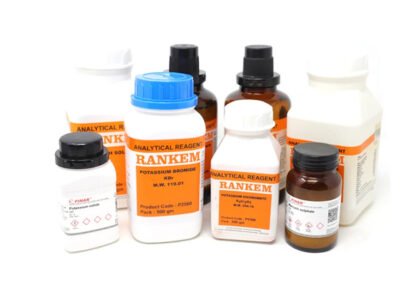
Description
Specifications Table
| Product Name | Sand Purified Grade | BAKR3382-01 | Avantor |
|---|---|
| Pack Size | 500 g |
| Form | Granular |
| Grade | Purified |
| Application | Lab experiments, filtration, chromatography |
Product Description
When it comes to reliable lab supplies, purified sand is a staple for researchers, students, and educators. This high-quality sand from Avantor is meticulously processed to ensure consistency and purity, making it perfect for a wide range of scientific applications. Whether you’re conducting filtration tests, chromatography experiments, or educational demonstrations, this purified sand delivers dependable results every time.
One of the key advantages of using purified sand in your lab is its uniformity. Unlike regular sand, this grade is free from impurities that could interfere with your experiments. This makes it an excellent choice for precise measurements and controlled environments. Students and researchers alike trust this product for its reliability and performance.
If you’re looking to buy purified sand online, eqipped offers a seamless shopping experience with fast delivery and competitive pricing. Our platform is designed to meet the needs of Indian B2C buyers, ensuring you get the right supplies without any hassle. Whether you’re stocking up for a semester or a single experiment, this 500 g pack provides ample quantity for multiple uses.
Need high-purity sand for your next experiment? Shop now at eqipped and get lab-grade supplies delivered to your doorstep.
In educational settings, purified sand is often used to demonstrate principles of filtration and sediment analysis. Its fine texture and consistent particle size make it ideal for classroom experiments where accuracy is crucial. Educators appreciate the ease of use and the clear results it provides, helping students grasp complex concepts with simplicity.
For researchers, the applications are even broader. From environmental studies to material science, purified sand serves as a foundational component in many protocols. Its inert nature ensures that it doesn’t react with other substances, making it a safe and predictable choice for sensitive experiments.
When you choose to buy purified sand from eqipped, you’re not just getting a product—you’re investing in quality and convenience. Our platform is trusted by labs and educational institutions across India for its commitment to excellence. With detailed product information and responsive customer support, we make sure your lab supplies meet your exact requirements.
FAQs
What is purified sand used for in labs?
Purified sand is commonly used in filtration processes, chromatography, and educational experiments due to its consistent particle size and lack of impurities.
Is this sand suitable for educational purposes?
Yes, this purified sand is ideal for classroom demonstrations and student experiments, providing reliable and clear results.
How is purified sand different from regular sand?
Purified sand undergoes additional processing to remove impurities, ensuring uniformity and reliability for scientific applications.
Can I buy purified sand in bulk from eqipped?
Yes, eqipped offers competitive pricing and bulk options for labs and institutions. Contact our support team for custom orders.
What safety precautions should I take when handling purified sand?
While generally safe, always wear gloves and a lab coat to avoid skin irritation. Store in a dry place away from moisture.