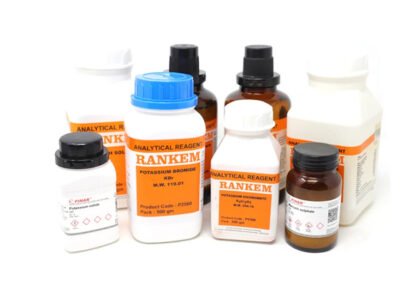
Description
Specifications Table
| Product Name | Density Standard, 0.7223 g/ml at 25°C |
|---|---|
| Quantity/Pack Size | 100 ml |
| Form | Liquid |
| Grade | Calibration Standard |
| Application | Density calibration in laboratories |
Product Description
When it comes to precise density measurements, accuracy is non-negotiable. The Density Standard, 0.7223 g/ml at 25°C is a reliable reference solution designed for calibrating densitometers, hydrometers, and other density-measuring instruments. Whether you’re a student, researcher, or educator, this standard ensures your equipment delivers consistent and trustworthy results every time.
Density standards like this one are essential in laboratories where even minor deviations can impact experimental outcomes. This particular standard is formulated to maintain stability under controlled conditions, making it a go-to choice for routine calibration checks. The 0.7223 g/ml value is certified at 25°C, aligning with common laboratory temperature settings for seamless integration into your workflow.
At eqipped, we understand the importance of precision in scientific work. That’s why we offer high-quality density standards that meet rigorous industry standards. Whether you’re setting up a new lab or maintaining an existing one, this density reference standard is a valuable addition to your toolkit.
Ensure accurate density measurements with this calibrated standard. Buy Density Standard 0.7223 g/ml online today.
Density calibration isn’t just about compliance—it’s about confidence in your data. This standard is particularly useful in educational settings where students learn the fundamentals of density measurement. Educators can rely on it to demonstrate calibration techniques, while researchers depend on it for validating experimental setups.
The liquid form of this density standard makes it easy to handle and dispense, reducing the risk of contamination or spillage. Its stability over time means you won’t need frequent recalibrations, saving both time and resources. For labs that prioritize efficiency without compromising accuracy, this is an ideal solution.
If you’re looking to buy density standard 0.7223 g/ml online, eqipped provides a seamless purchasing experience with reliable delivery across India. Our commitment to quality ensures that every batch meets the specified density value, so you can focus on your work without second-guessing your equipment.
FAQs
What is a density standard used for?
A density standard is used to calibrate instruments like densitometers and hydrometers, ensuring they provide accurate density readings.
How often should I recalibrate my densitometer?
Recalibration frequency depends on usage, but using a stable density standard like this one can extend the time between calibrations.
Can this density standard be used in educational labs?
Yes, it’s ideal for educational settings where students learn density measurement techniques.
What is the shelf life of this density standard?
When stored properly, this standard maintains its accuracy for an extended period. Check the product label for specific shelf life details.
How do I buy Density Standard 0.7223 g/ml online?
You can easily order it from eqipped’s website with secure payment options and fast delivery across India.