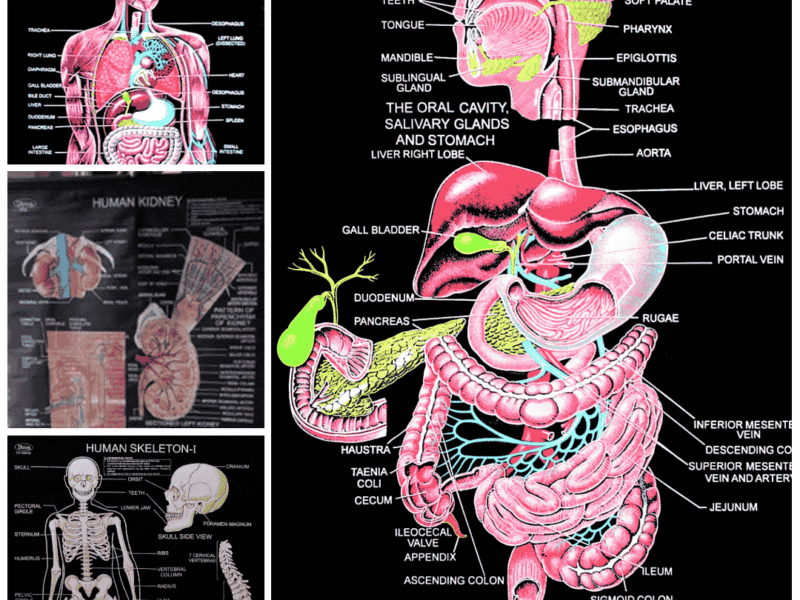
Description
Specifications Table
| Product Name | GENE MAP ? FEMALE ? Cytology Chart | 8B | Dbios |
|---|---|
| Pack Size | Single Chart |
| Form | Chart |
| Grade | Educational/Lab |
| Application | Cytology studies, gene mapping, academic research |
Product Description
The GENE MAP ? FEMALE ? Cytology Chart is an essential tool for students, researchers, and educators studying human genetics. This detailed chart provides a clear visualization of female gene mapping, making complex cytology concepts easier to understand. Whether you’re setting up a lab, teaching a class, or conducting research, this chart offers precision and clarity.
Designed for durability, this cytology chart is perfect for long-term use in educational and professional settings. The high-resolution print ensures every detail is visible, helping users accurately interpret genetic data. It’s an ideal addition to any biology or medical lab.
If you’re looking to buy a reliable gene map chart online, eqipped offers a seamless shopping experience with quality-assured products. Order now and enhance your cytology studies with this comprehensive chart!
FAQs
What is the size of the GENE MAP FEMALE Cytology Chart?
The chart is designed in a standard educational poster size, making it easy to display in labs or classrooms.
Is this chart suitable for professional research?
Yes, it’s widely used in both academic and professional settings for accurate gene mapping references.
Can I buy this chart in bulk for a lab or institution?
Absolutely! eqipped offers bulk purchasing options for educational and research institutions.
Does this chart include detailed annotations?
Yes, it features clear labels and annotations for easy interpretation of genetic data.
How do I care for this cytology chart to ensure longevity?
Store it in a dry place away from direct sunlight to preserve its quality over time.