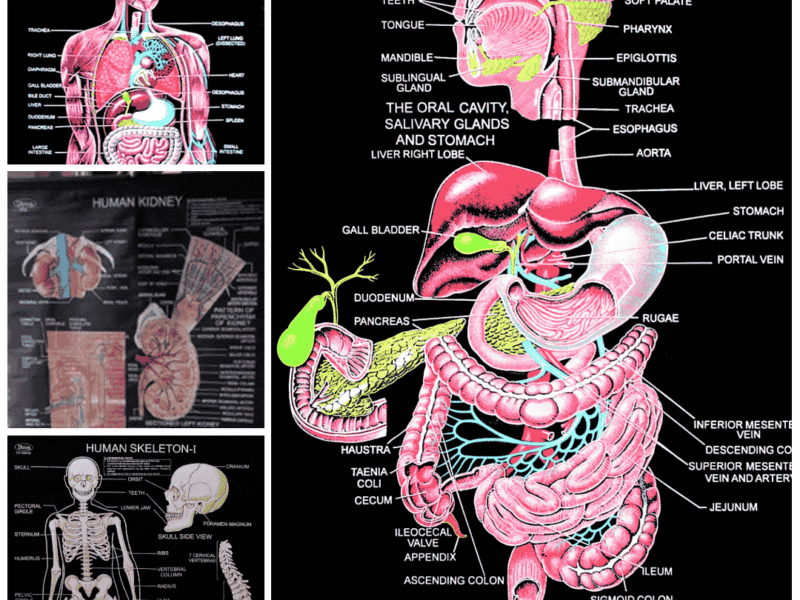
Description
Specifications Table
| Product Name | XEROPHYTIC PLANTS Ecology Chart | 154 | Dbios |
|---|---|
| Pack Size | Single Chart |
| Form | Printed Chart |
| Grade | Educational/Lab Grade |
| Application | Botany Labs, Classrooms, Research |
Product Description
Understanding how plants thrive in arid environments is crucial for botany students and researchers. The XEROPHYTIC PLANTS Ecology Chart from Dbios offers a visually engaging breakdown of adaptations like deep root systems, succulent stems, and reduced leaf surfaces. Perfect for lab demonstrations or classroom discussions, this chart simplifies complex ecological concepts.
Whether you’re studying desert ecosystems or preparing for a botany exam, this chart serves as a reliable reference. The durable material ensures long-lasting use, making it a staple in educational settings. Buy the XEROPHYTIC PLANTS Ecology Chart online today and enhance your learning tools with eqipped.
Educators can use this chart to illustrate survival strategies of plants in water-scarce regions, while students benefit from clear, labeled diagrams. It’s an essential addition to any botany lab or personal study collection.
FAQs
What is the size of the XEROPHYTIC PLANTS Ecology Chart?
The chart is designed in a standard educational size, ideal for wall mounting or desk reference.
Is this chart suitable for high school botany labs?
Yes, it’s perfect for high school and college-level botany studies, offering clear visuals and key details.
Can I buy this chart in bulk for a classroom?
Absolutely! Contact eqipped for bulk orders and special pricing for educational institutions.
Does the chart include labeled diagrams?
Yes, it features detailed illustrations with labeled adaptations of xerophytic plants.
How soon can I receive this chart after ordering?
Orders are processed quickly, with delivery times varying based on your location in India.