Description
Specifications Table
| Product Name | Development of Embryo in Sagittaria Flower & Embryology Chart |
|---|---|
| Quantity/Pack Size | Single chart |
| Form | Chart |
| Grade | Educational/Lab |
| Application | Embryology studies, botany labs, educational purposes |
Product Description
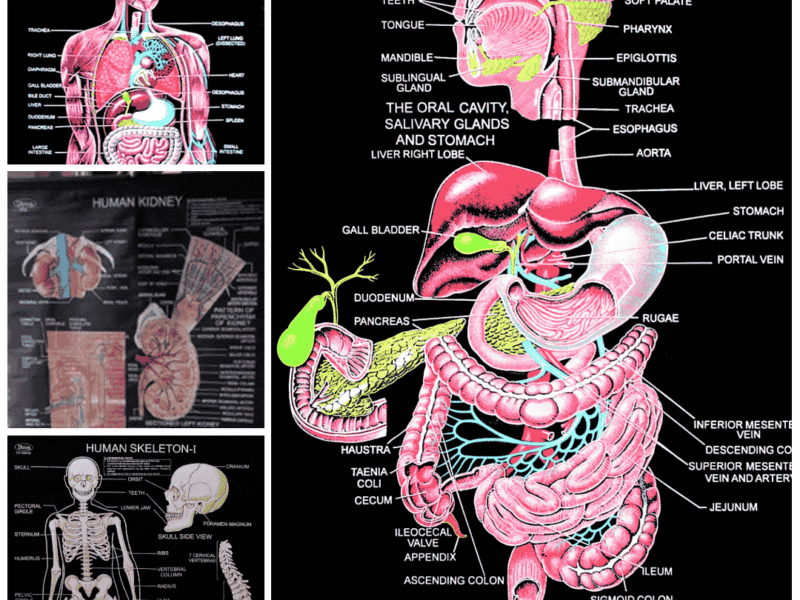
The Development of Embryo in Sagittaria Flower & Embryology Chart is a meticulously designed educational tool for students, researchers, and educators. This chart provides a clear visual representation of embryo development in Sagittaria flowers, making it an essential resource for botany labs and embryology studies.
Whether you’re studying plant reproduction or teaching embryology concepts, this chart simplifies complex processes with accurate illustrations. It’s perfect for classrooms, research labs, and personal study, helping users grasp the stages of embryo formation in Sagittaria flowers effortlessly.
At eqipped, we ensure that our embryology charts meet the highest standards of accuracy and clarity. This chart is durable, easy to read, and designed to withstand frequent use in educational settings.
Enhance your lab or classroom with this detailed embryology chart. Buy online now for quick delivery!
FAQs
What is the size of the embryology chart?
The chart is designed to be large enough for clear visibility in labs and classrooms, typically around standard poster size.
Is this chart suitable for college-level botany studies?
Yes, this chart is perfect for college-level botany and embryology courses, providing detailed illustrations for in-depth learning.
Can this chart be used for research purposes?
Absolutely. Researchers often use this chart as a reference for studying embryo development in Sagittaria flowers.
How durable is the chart material?
The chart is printed on high-quality, durable material to ensure longevity, even with frequent handling.
Does eqipped offer bulk discounts for educational institutions?
Yes, eqipped provides bulk discounts for schools, colleges, and research labs. Contact us for more details.