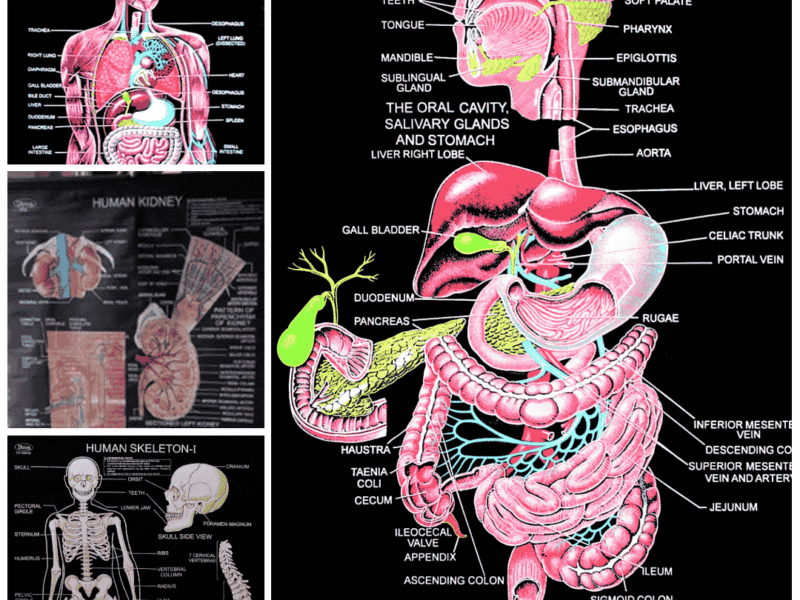
Description
Specifications Table
| Product Name | Achras Sapota (Sapotaceae) Chart | 265 | Dbios |
|---|---|
| Pack Size | Single chart |
| Form | Laminated chart |
| Grade | Educational/Lab grade |
| Application | Zoology labs, botany studies, educational institutions |
Product Description
The Achras Sapota (Sapotaceae) Chart is an essential visual aid for students, researchers, and educators studying plant anatomy and taxonomy. This detailed chart provides a clear representation of the Sapotaceae family, highlighting key morphological features of the Achras Sapota plant. Whether you’re setting up a zoology lab or enhancing classroom learning, this chart serves as a reliable reference for accurate botanical studies.
Designed for durability, the laminated finish ensures long-lasting use in high-traffic educational settings. The chart is part of the Dbios series, known for its precision and clarity in scientific illustrations. Perfect for universities, colleges, and research labs, it simplifies complex botanical concepts for better understanding.
If you’re looking to buy educational biology charts online, this Sapotaceae chart is a must-have. It complements other lab supplies and zoology posters, making it easier to create a comprehensive learning environment. Order your Achras Sapota Chart today and elevate your lab or classroom setup with eqipped’s trusted educational tools.
For researchers documenting plant species or students preparing for exams, this chart offers quick visual references. Its compact size allows for easy display on lab walls or study desks. Unlike digital alternatives, a physical chart reduces screen fatigue and enhances retention through tactile learning.
Whether you’re a biology teacher, a botany student, or a lab technician, this chart helps bridge the gap between theory and practical knowledge. Invest in quality educational materials that stand the test of time. Shop now for the best zoology charts and lab supplies at eqipped.
FAQs
What is the Achras Sapota (Sapotaceae) Chart used for?
This chart is used for educational and lab purposes, helping students and researchers study the anatomy and taxonomy of the Sapotaceae plant family.
Is this chart suitable for classroom teaching?
Yes, it is designed for educational institutions, providing clear visuals for botany and zoology lessons.
Can I buy this chart online for home study?
Absolutely! Many students and educators purchase it for personal study or lab setups.
What material is the chart made of?
The chart is laminated for durability, ensuring it remains intact in lab or classroom environments.
Does eqipped offer other educational biology charts?
Yes, eqipped provides a wide range of zoology and botany charts for labs and educational use.