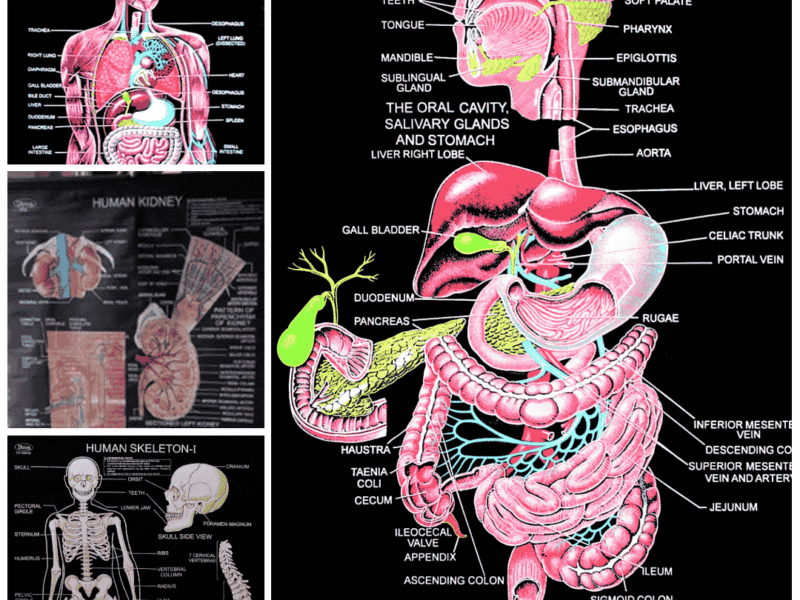
Description
Specifications Table
| Product Name | Vertebrate Hind Limbs – Comparative Chart | 513 | Dbios |
|---|---|
| Quantity/Pack Size | Single chart |
| Form | Printed chart |
| Grade | Educational/Lab |
| Application | Comparative anatomy studies, biology labs, educational displays |
Product Description
Understanding vertebrate anatomy becomes clearer with the Vertebrate Hind Limbs Comparative Chart. Designed for students, researchers, and educators, this detailed chart highlights the structural differences and similarities across various vertebrate species. Whether you’re setting up a biology lab or enhancing classroom learning, this chart serves as a valuable reference tool.
At eqipped, we ensure that educational materials like this comparative anatomy chart meet the highest standards of accuracy and clarity. The chart is printed on durable material, making it suitable for frequent use in labs or study spaces. It’s an essential addition for anyone studying evolutionary biology, zoology, or comparative anatomy.
Upgrade your lab or classroom with this informative vertebrate anatomy poster. Buy online today for quick delivery across India.
Why This Chart Stands Out
This comparative chart isn’t just another poster—it’s a well-researched visual aid that simplifies complex anatomical concepts. The layout is designed to help users quickly identify key features of hind limbs in different vertebrates, from amphibians to mammals. It’s particularly useful for:
- Biology students preparing for exams
- Researchers documenting anatomical variations
- Educators explaining evolutionary adaptations
Unlike generic posters, this chart is curated by experts to ensure scientific precision. The labels are clear, and the illustrations are detailed, making it easy to compare structures side by side.
Applications in Labs and Classrooms
Whether you’re conducting a lab session or delivering a lecture, this chart enhances learning by providing a visual reference. It’s commonly used in:
- University biology departments
- School science laboratories
- Research facilities studying vertebrate evolution
Many educators prefer this chart because it eliminates the need for multiple diagrams—everything is consolidated into one easy-to-read format.
Durability and Practicality
Printed on high-quality paper, this chart resists wear and tear, ensuring longevity even with regular handling. Its standard size makes it easy to mount on walls or display on stands. For those who need a portable reference, it can also be laminated for extra protection.
Looking for a reliable comparative anatomy chart? Order the Vertebrate Hind Limbs Chart online now and get it delivered to your doorstep.
Who Should Buy This?
This chart is ideal for:
- Students pursuing zoology or biology
- Teachers and professors in need of visual aids
- Researchers documenting anatomical studies
- Lab technicians setting up educational displays
If you’re looking to buy a vertebrate anatomy poster online, this chart offers the perfect balance of detail and clarity.
FAQs
What is the size of the Vertebrate Hind Limbs Comparative Chart?
The chart is designed in a standard size suitable for lab and classroom displays. Exact dimensions may vary, but it is optimized for clear visibility.
Is this chart suitable for university-level studies?
Yes, this chart is widely used in universities and research institutions for its detailed and accurate representations of vertebrate hind limbs.
Can I laminate this chart for longer use?
Absolutely. Laminating the chart will protect it from damage and extend its lifespan, making it ideal for frequent use.
Where can I buy this comparative anatomy chart online?
You can purchase the Vertebrate Hind Limbs Comparative Chart directly from eqipped’s website with secure payment options and fast shipping.
Does this chart include labels for all major vertebrate groups?
Yes, the chart covers key vertebrate groups, providing clear labels for easy comparison and study.