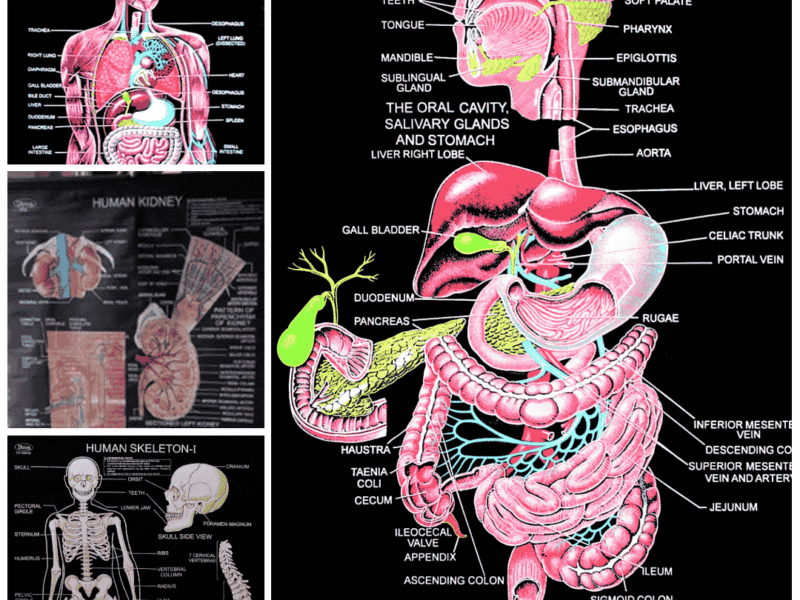
Description
Specifications Table
| Product Name | Darwin Finches – Evolution Chart | 522A | Dbios |
|---|---|
| Pack Size | Single Chart |
| Form | Printed Chart |
| Grade | Educational |
| Application | Biology classrooms, labs, evolution studies |
Product Description
Understanding evolution becomes engaging with the Darwin Finches – Evolution Chart. This visually rich chart is designed to simplify complex biological concepts, making it an essential tool for students, educators, and researchers. Whether you’re setting up a biology lab or enhancing classroom learning, this chart provides clear, accurate illustrations of Darwin’s finches, showcasing how natural selection shapes species over time.
Perfect for schools, colleges, and research institutions, this evolution chart serves as a reference guide for lessons on adaptation, speciation, and evolutionary biology. The high-resolution print ensures durability, making it suitable for long-term use in educational environments. If you’re looking to buy an evolution chart for schools or biology classroom posters, this product is an excellent choice.
At eqipped, we understand the importance of reliable teaching aids. That’s why we offer this chart as part of our collection of evolution teaching aids, ensuring educators have access to the best resources. Upgrade your science lab charts today with this informative and visually appealing Darwin Finches Evolution Chart.
FAQs
What is the size of the Darwin Finches Evolution Chart?
The chart is designed in a standard size suitable for classroom and lab displays, ensuring visibility and ease of use.
Is this chart suitable for high school students?
Yes, the chart is ideal for high school and college-level biology education, providing clear visuals and explanations.
Can this chart be used in research presentations?
Absolutely. Its detailed illustrations make it a great reference for academic and research discussions on evolution.
How durable is the chart material?
The chart is printed on high-quality, tear-resistant material to ensure longevity in educational settings.
Where can I buy this evolution chart online in India?
You can purchase the Darwin Finches Evolution Chart directly from eqipped, with fast shipping across India.