Description
Specifications Table
| Product Name | TECHNIQUES USED IN LABORATORY – Pharmaceutical Chemistry Chart | 941 | Dbios |
|---|---|
| Pack Size | Single Chart |
| Form | Laminated Chart |
| Grade | Educational/Professional |
| Application | Pharmacy labs, classrooms, research facilities |
Product Description
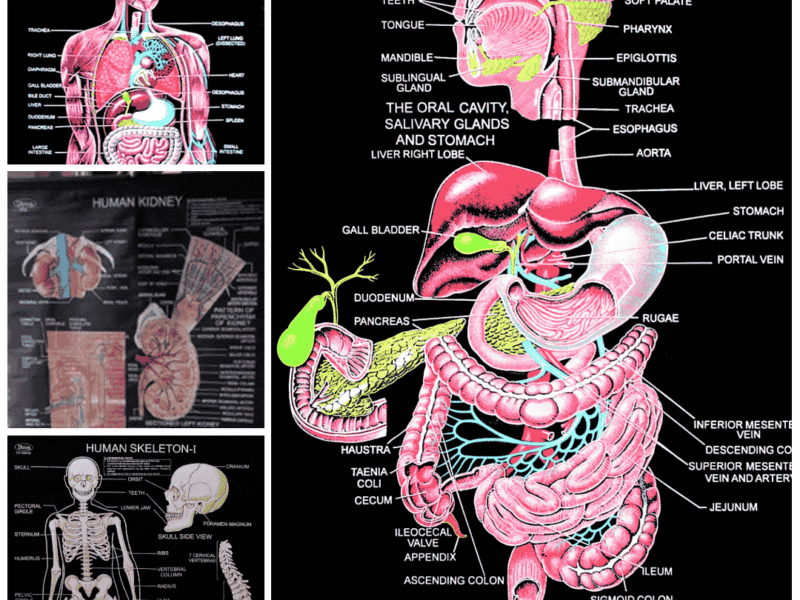
Understanding pharmaceutical chemistry techniques is crucial for students, researchers, and educators. The Pharmaceutical Chemistry Lab Chart from Dbios provides a clear, visual reference for essential lab procedures. Whether you’re setting up a new lab or enhancing an existing one, this chart simplifies complex processes with easy-to-follow diagrams and explanations.
Designed for durability, this laminated chart resists wear and tear, making it perfect for high-traffic labs and classrooms. It covers key techniques like titration, chromatography, and spectroscopy, ensuring you have a reliable guide at hand. For those looking to buy lab charts online, eqipped offers a seamless shopping experience with trusted quality.
Upgrade your lab or classroom with this essential educational tool. Order your Pharmaceutical Chemistry Lab Chart today!
The chart is ideal for pharmacy students, chemistry educators, and researchers who need quick access to standardized lab methods. Its compact size fits easily on walls or benches, while the high-resolution print ensures readability from a distance. Unlike digital references, this physical chart eliminates screen fatigue and provides instant access during experiments.
At eqipped, we understand the importance of accurate, reliable lab resources. That’s why we source products like this chart from trusted manufacturers, ensuring they meet professional standards. Whether you’re equipping a new lab or replacing old materials, this chart is a smart investment in clarity and efficiency.
FAQs
What techniques are covered in this Pharmaceutical Chemistry Lab Chart?
This chart includes key techniques such as titration, chromatography, spectroscopy, and other essential lab procedures used in pharmaceutical chemistry.
Is this chart suitable for both students and professionals?
Yes, it’s designed for educational and professional use, making it ideal for classrooms, research labs, and training facilities.
Can I buy this lab chart online in bulk?
Absolutely! eqipped offers bulk purchasing options for institutions and labs. Contact our support team for custom quotes.
Is the chart laminated for durability?
Yes, the chart is laminated to protect against spills, stains, and daily wear, ensuring long-lasting use.
How can I order this Pharmaceutical Chemistry Lab Chart?
Simply add it to your cart on eqipped’s website and complete the checkout process. We offer fast shipping across India.