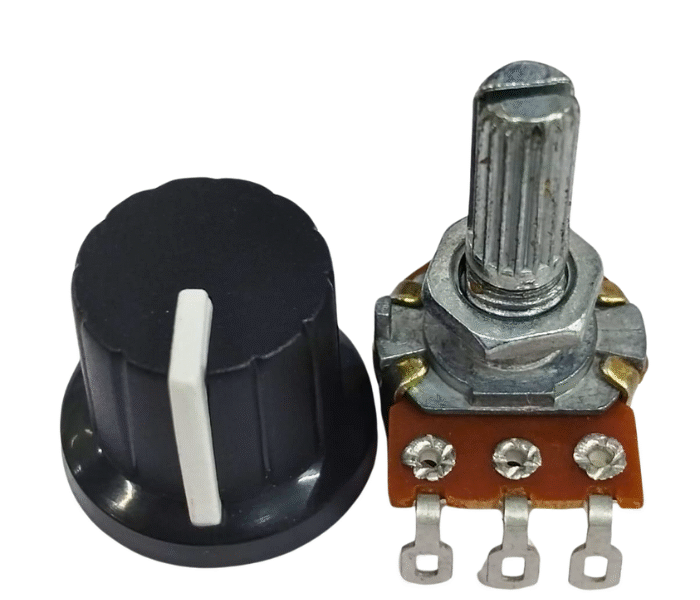
Description
Specifications Table
| Product Name | Thermistor on Board (100-100K Ohm) | AE 174 | ASICO |
|---|---|
| Quantity/Pack Size | 100Ω to 100KΩ |
| Form | Board-mounted thermistor |
| Grade | Laboratory/Industrial |
| Application | Temperature sensing, circuit protection, research |
Product Description
When it comes to accurate temperature measurement, the Thermistor on Board (100-100K Ohm) from ASICO is a reliable choice for students, researchers, and electronics enthusiasts. This thermistor module offers a wide resistance range, making it versatile for various applications, from lab experiments to industrial setups.
Thermistors are essential components in temperature-sensitive circuits, and this model ensures precision with its 100Ω to 100KΩ range. Whether you’re working on a DIY project or conducting scientific research, this thermistor provides consistent performance. The board-mounted design simplifies integration into your setup, saving you time and effort.
For those looking to buy thermistor online, eqipped offers a seamless shopping experience with quality-assured products. This thermistor is particularly useful in scenarios where temperature fluctuations need to be monitored closely, such as in chemical reactions, electronic testing, or environmental studies.
Need a dependable temperature sensor for your next project? Explore this thermistor module today and ensure accurate readings every time.
FAQs
What is the resistance range of this thermistor?
This thermistor module covers a resistance range from 100Ω to 100KΩ, making it suitable for various temperature sensing applications.
Can this thermistor be used with Arduino?
Yes, this thermistor can be easily integrated with Arduino or other microcontrollers for temperature monitoring projects.
Is this thermistor suitable for industrial use?
Absolutely. The module is designed for both laboratory and industrial applications, offering reliable performance in demanding environments.
How do I connect this thermistor to my circuit?
The board-mounted design simplifies connection. You can solder wires directly to the pads or use a breadboard for prototyping.
Where can I buy this thermistor online in India?
You can purchase this thermistor module directly from eqipped, ensuring authentic products and fast shipping.