Description
Specifications Table
| Product Name | Quantity/Pack Size | Form | Grade | Application |
|---|---|---|---|---|
| Photo Diode Characteristics Apparatus | AE 232 | ASICO | 1 Unit | Experimental Kit | Educational/Lab Grade | Photodiode IV characteristics, spectral response, and reverse bias studies |
Product Description
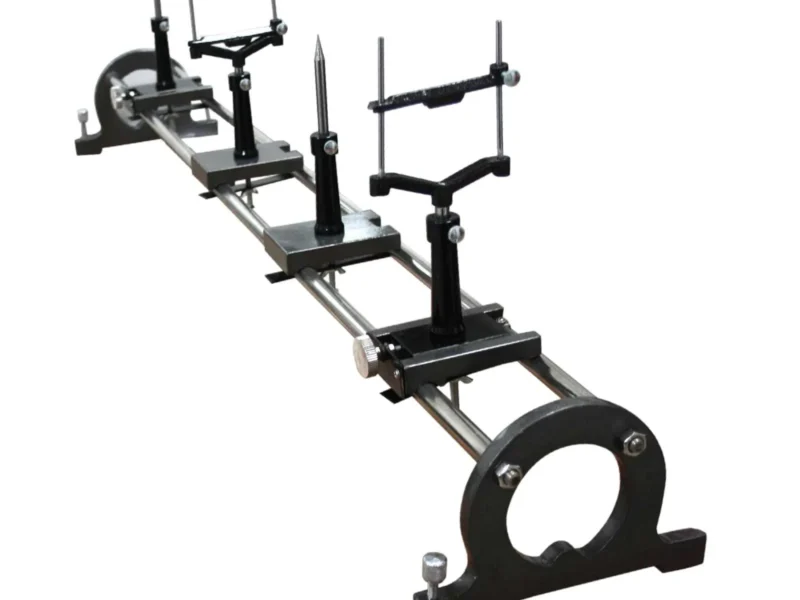
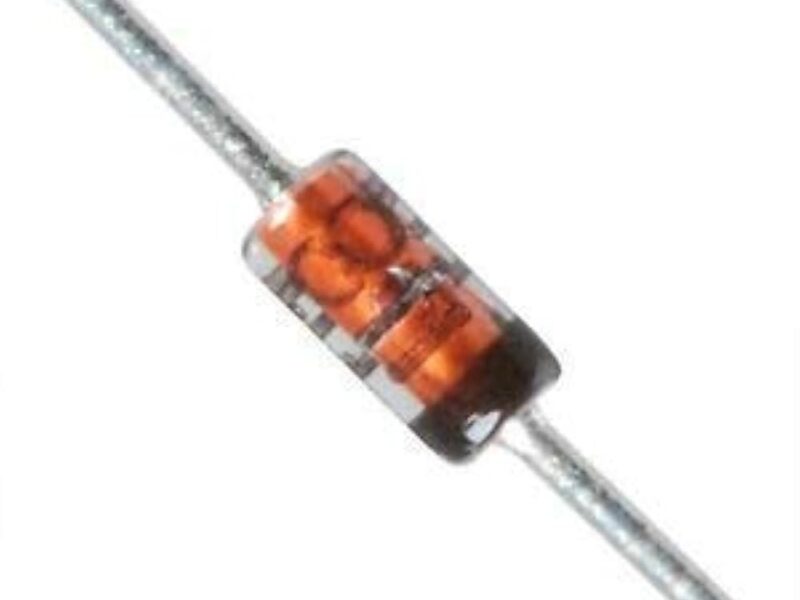
The Photo Diode Characteristics Apparatus (AE 232) is an essential tool for students and researchers studying semiconductor devices. This apparatus allows users to investigate the fundamental properties of photodiodes, including their current-voltage (IV) characteristics, spectral response, and behavior under reverse bias. Designed for educational and lab environments, it provides a hands-on approach to understanding photodiode operation, making it ideal for physics and electronics experiments.
With its user-friendly setup, the kit includes all necessary components for conducting experiments, ensuring accurate and repeatable results. Whether you’re a student learning about optoelectronics or a researcher validating photodiode performance, this apparatus offers a reliable platform for experimentation. The compact design ensures easy integration into existing lab setups, while the robust construction guarantees long-term durability.
For those looking to buy a photodiode characteristics apparatus online, eqipped provides a seamless shopping experience with authentic lab supplies. This kit is particularly useful for educational institutions aiming to enhance their practical training modules. By using this apparatus, learners can gain deeper insights into how photodiodes convert light into electrical signals, a critical concept in modern electronics.
Upgrade your lab with the Photo Diode Characteristics Apparatus from eqipped. Shop now for precise and educational photodiode experiments.
The apparatus is designed to meet the needs of both beginners and advanced users. It includes detailed instructions for setting up experiments, making it accessible even for those new to photodiode studies. The included components are carefully selected to ensure compatibility and accuracy, allowing users to focus on their experiments without worrying about equipment limitations.
In addition to its educational value, this apparatus is also suitable for research applications where photodiode characteristics need to be analyzed. Its versatility makes it a valuable addition to any lab focused on optoelectronics or semiconductor research. With eqipped, you can trust that you’re getting a high-quality product that meets industry standards.
Explore the world of photodiodes with the AE 232 apparatus. Order today and elevate your lab experiments.
FAQs
What is the purpose of the Photo Diode Characteristics Apparatus?
This apparatus is used to study the electrical characteristics of photodiodes, including their IV curves, spectral response, and reverse bias behavior. It is ideal for educational and research applications.
Is this kit suitable for beginners?
Yes, the kit includes detailed instructions and is designed to be user-friendly, making it suitable for students and researchers at all levels.
Can this apparatus be used for research purposes?
Absolutely. The apparatus provides accurate measurements, making it suitable for both educational and research applications in optoelectronics.
What components are included in the kit?
The kit includes a photodiode, light source, power supply, and measurement instruments, along with detailed experimental guidelines.
How do I buy the Photo Diode Characteristics Apparatus online?
You can purchase this apparatus directly from eqipped, where we offer authentic lab supplies with reliable delivery.