Description
Specifications Table
| Product Name | B-H Curve Apparatus (Transformer Type) | AE 244 | ASICO |
|---|---|
| Pack Size | 1 Unit |
| Form | Electrical Apparatus |
| Grade | Lab/Research Grade |
| Application | Magnetic hysteresis testing, educational labs, research |
Product Description
The B-H Curve Apparatus (Transformer Type) is an essential tool for studying magnetic hysteresis in materials. Designed for precision, this apparatus helps students and researchers visualize the relationship between magnetic flux density (B) and magnetic field intensity (H). Whether you’re conducting experiments in a university lab or refining industrial applications, this transformer-type setup ensures reliable results every time.
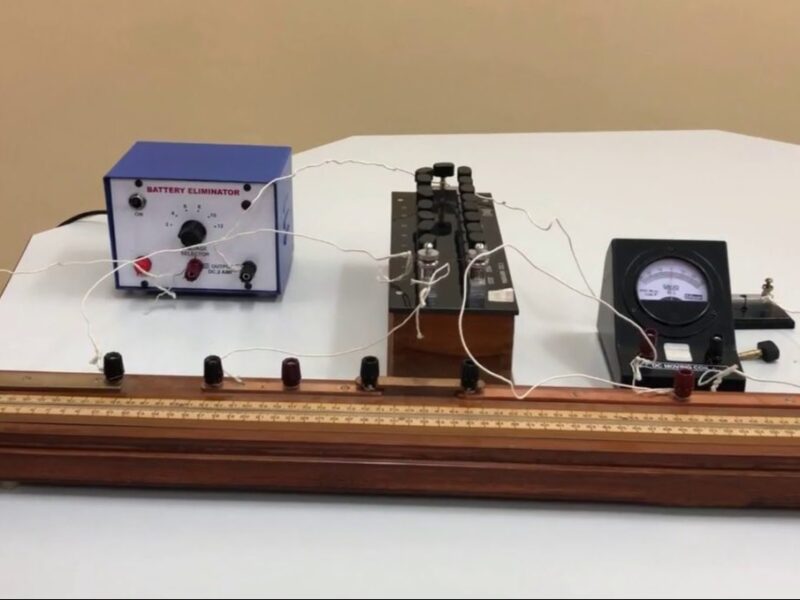
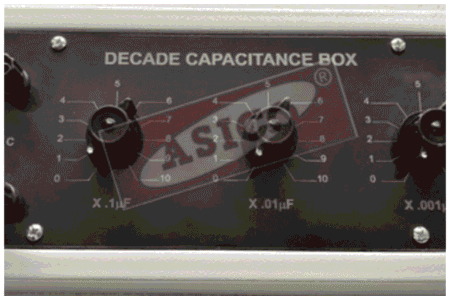
Built with high-quality components, the AE 244 model from ASICO is known for its durability and accuracy. The apparatus includes a transformer core, measurement coils, and a user-friendly interface to simplify data collection. It’s perfect for educational institutions, research facilities, and engineering labs where magnetic properties need to be analyzed with precision.
When you buy B-H Curve Apparatus online from eqipped, you get a product that meets rigorous lab standards. Our selection is curated to support both learning and professional research, ensuring you have the right tools for your experiments.
Upgrade your lab setup today with the best B-H Curve Apparatus for sale. Order now and experience seamless magnetic testing.
FAQs
What is a B-H Curve Apparatus used for?
It measures the magnetic hysteresis loop of materials, showing how magnetic flux density (B) changes with magnetic field intensity (H). Essential for material characterization.
Is this apparatus suitable for student labs?
Yes, its user-friendly design makes it ideal for educational settings, helping students understand magnetic properties through hands-on experiments.
Can I buy B-H Curve Apparatus online with calibration certificates?
eqipped provides lab-grade equipment with necessary certifications. Contact us for additional documentation if required.
What materials can be tested with this apparatus?
It works with ferromagnetic materials like iron, steel, and nickel alloys, commonly used in transformers and electric motors.
How do I maintain the B-H Curve Apparatus?
Regular calibration and keeping the coils clean ensure accurate readings. Store in a dry environment to prevent corrosion.