Description
Specifications Table
| Product Name | E/M by Helical Method | AE 322 | ASICO |
|---|---|
| Pack Size | 1 Unit |
| Form | Instrument |
| Grade | Research Grade |
| Application | Electromagnetic measurements, physics experiments |
Product Description
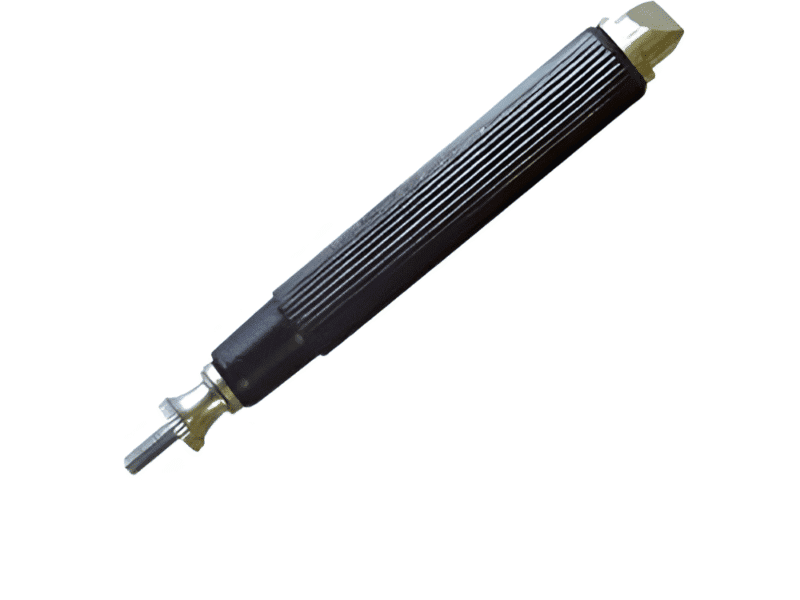
The E/M by Helical Method (AE 322) by ASICO is a precision instrument designed for accurate electromagnetic measurements. This helical method equipment is widely used in physics labs, educational institutions, and research facilities to determine the charge-to-mass ratio of electrons. Its robust construction and high-precision components ensure reliable results, making it an essential tool for students, researchers, and educators.
Whether you’re conducting experiments in electromagnetism or teaching advanced physics concepts, this instrument provides the accuracy and consistency needed for meaningful data. The helical method is a classic approach, and this model from ASICO is built to deliver performance you can trust.
If you’re looking to buy E/M by helical method online, eqipped offers a seamless purchasing experience with fast shipping and competitive pricing. This is the ideal choice for labs that demand precision without compromise.
Upgrade your lab with the E/M by Helical Method today. Order now for fast delivery and accurate measurements every time.
FAQs
What is the helical method in physics?
The helical method is a technique used to measure the charge-to-mass ratio of electrons by observing their path in a magnetic field. It’s a fundamental experiment in electromagnetism.
How accurate is the E/M by Helical Method (AE 322)?
This instrument is designed for high precision, making it suitable for both educational and research applications. Its accuracy depends on proper calibration and setup.
Can this instrument be used in undergraduate labs?
Yes, it’s commonly used in undergraduate physics labs to teach electromagnetic principles and experimental techniques.
Where can I buy helical method equipment online?
You can buy E/M by helical method online from eqipped, where we offer competitive pricing and fast shipping across India.
What accessories are included with the AE 322?
The standard package includes the main instrument, necessary cables, and a user manual. Additional accessories may be available upon request.