Description
Specifications Table
| Product Name | Study of Microwave Components | AE 675 | ASICO |
|---|---|
| Pack Size | 1 Kit |
| Form | Physical Components Set |
| Grade | Laboratory/Educational |
| Application | Microwave engineering experiments, signal analysis, RF testing |
Product Description
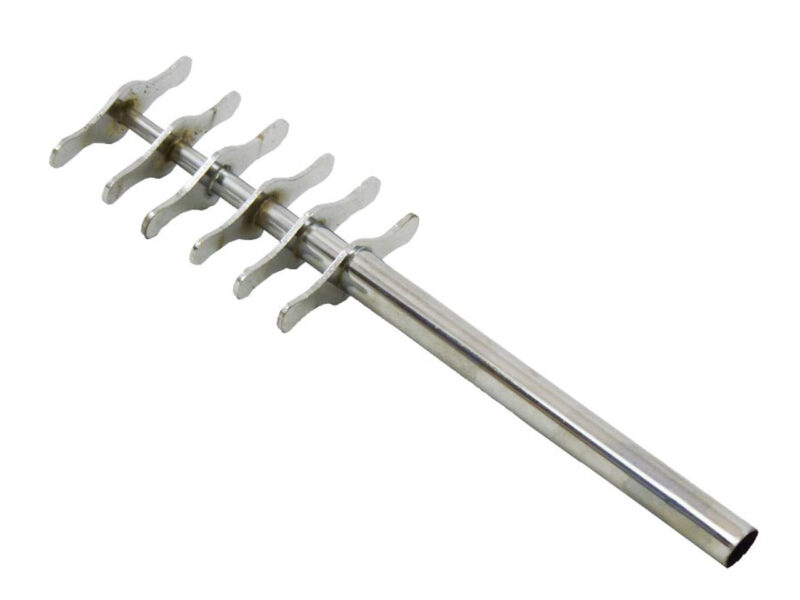
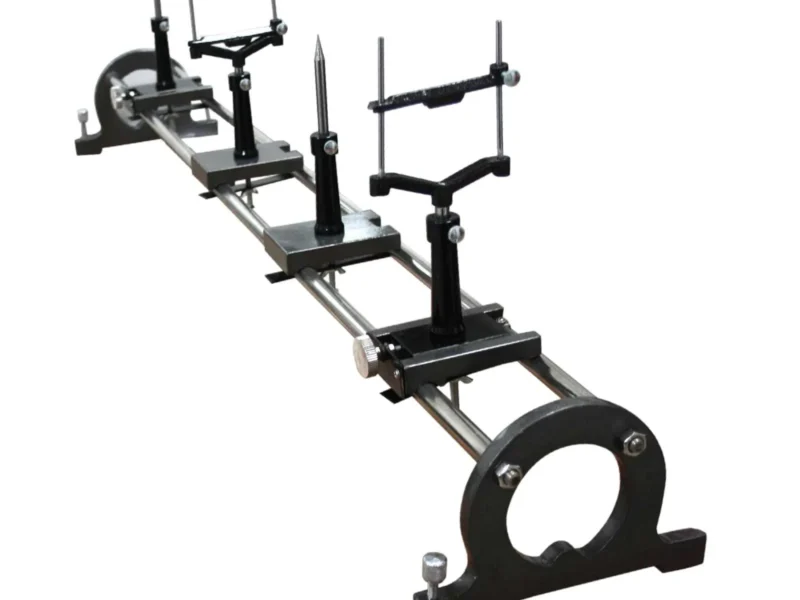
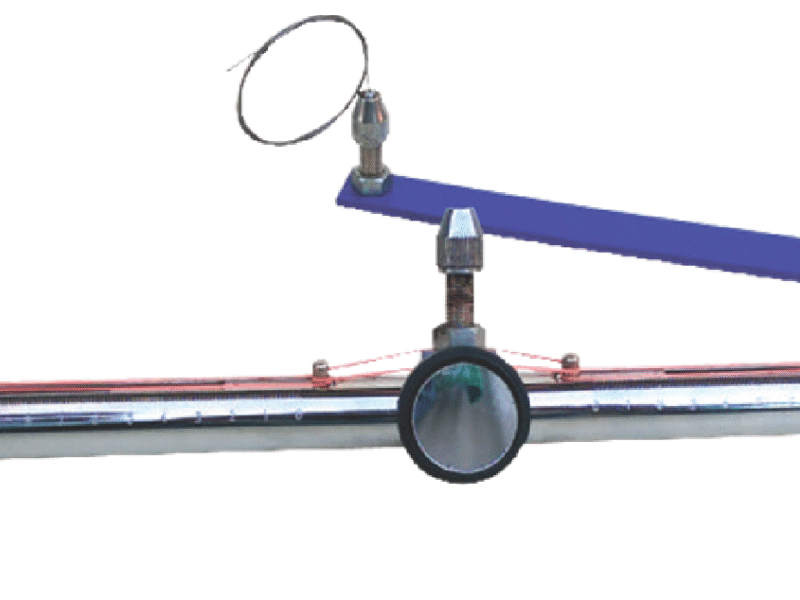
Understanding microwave components is essential for students and researchers working in RF and microwave engineering. The Study of Microwave Components | AE 675 | ASICO kit provides a hands-on learning experience with key elements like magic T, directional couplers, isolators, and circulators. Whether you’re setting up a lab experiment or conducting research, this kit offers the tools needed to explore microwave signal behavior, impedance matching, and wave propagation.
Microwave components play a crucial role in modern communication systems, radar technology, and satellite applications. With this kit, you can study how different components interact with microwave signals, measure reflection coefficients, and analyze power division. The included magic T directional coupler allows for precise signal splitting, while the isolator circulator set helps in controlling signal flow direction—critical for minimizing interference in real-world applications.
For educators, this kit serves as a practical teaching aid, making complex microwave concepts easier to demonstrate. Students can visualize how isolators prevent signal backflow or how circulators route signals efficiently. The laboratory microwave components in this set are designed for durability and accuracy, ensuring reliable results in every experiment.
If you’re looking to buy microwave components online, eqipped offers a curated selection of high-quality lab supplies tailored for Indian students and researchers. This kit is ideal for universities, engineering colleges, and research labs where hands-on learning is prioritized. Order now and equip your lab with essential microwave components for advanced experiments.
FAQs
What components are included in the AE 675 ASICO kit?
The kit includes a magic T, directional coupler, isolator, circulator, and necessary connectors for microwave experiments.
Is this kit suitable for undergraduate lab experiments?
Yes, it’s designed for both undergraduate and postgraduate students studying microwave engineering.
Can I use this kit for research projects?
Absolutely. Researchers use these components for prototyping and testing microwave circuits.
How do I connect the components for experiments?
Follow the included manual or standard microwave lab procedures for proper connections.
Does eqipped offer support for setting up this kit?
Yes, our team can guide you on usage and troubleshooting if needed.