Description
Specifications Table
| Product Name | Measurement of Temperature Using R.T.D | AE 803 | ASICO |
|---|---|
| Quantity/Pack Size | 1 Kit |
| Form | RTD Sensor with Calibration Equipment |
| Grade | Laboratory Grade |
| Application | Temperature Measurement, Calibration, Scientific Research |
Product Description
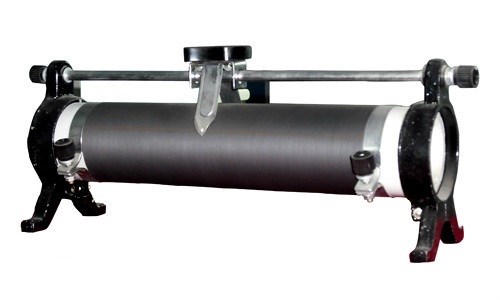
When it comes to precise temperature measurement in laboratories, the Measurement of Temperature Using R.T.D | AE 803 | ASICO stands out as a reliable and accurate solution. Designed for students, researchers, and educators, this RTD (Resistance Temperature Detector) kit ensures high-precision readings for experiments, calibration, and scientific studies.
RTD sensors are widely preferred in labs due to their stability and accuracy over a wide temperature range. This kit includes everything needed for seamless temperature measurement, making it an essential tool for physics, chemistry, and engineering labs. Whether you’re calibrating equipment or conducting experiments, this RTD setup delivers consistent results.
For those looking to buy RTD temperature probe online, this kit offers a cost-effective yet high-quality solution. The AE 803 model from ASICO is trusted by professionals for its durability and precision. If you’re searching for the best RTD for scientific use, this product is an excellent choice.
At eqipped, we understand the importance of accurate measurements in research. That’s why we offer this RTD kit with detailed instructions, ensuring ease of use for both beginners and experienced users. Whether you’re a student learning temperature measurement techniques or a researcher needing reliable data, this kit is designed to meet your needs.
Upgrade your lab setup with the best RTD sensor for lab experiments. Order now and experience precision like never before.
FAQs
What is an RTD sensor used for?
An RTD sensor is used for measuring temperature with high accuracy, commonly in labs, industrial processes, and scientific research.
How do I calibrate an RTD sensor?
This kit includes calibration tools and a manual to guide you through the process, ensuring precise measurements.
Is this RTD kit suitable for educational use?
Yes, it’s designed for both educational and professional applications, making it ideal for students and researchers.
Can I buy RTD temperature probe online from eqipped?
Absolutely! eqipped offers this RTD kit for convenient online purchase with fast delivery.
What makes this RTD kit better than thermocouples?
RTDs provide higher accuracy and stability, especially in controlled lab environments, compared to thermocouples.