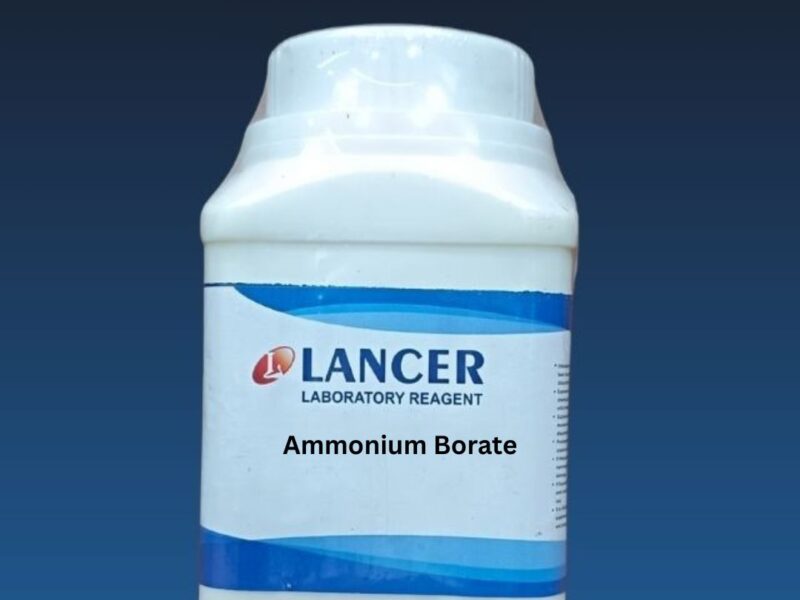
ADA, 99%, for biochemistry

Thermo Fisher Scientific Chemicals Dealer | eqipped

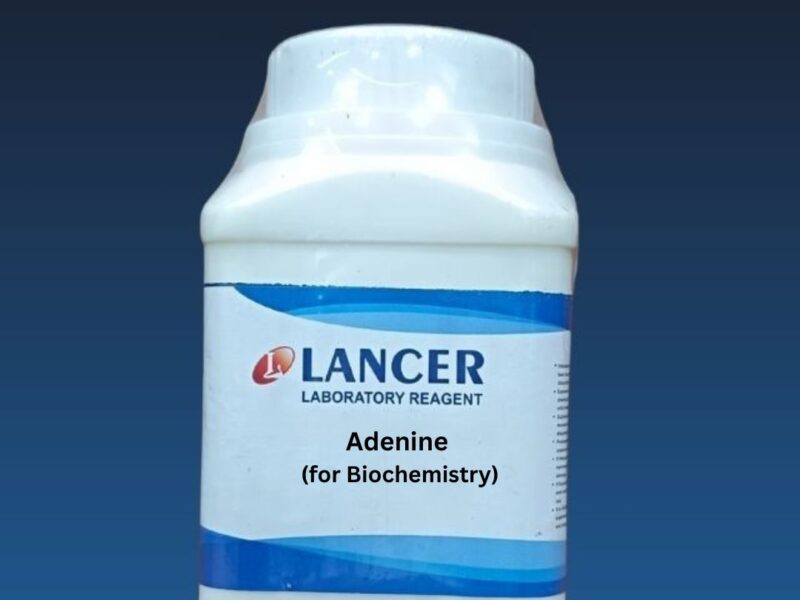
ADA, 99%, for biochemistry

Ultra-pure ADA (99% grade) designed for biochemistry applications. Ensures precision in enzymatic assays, nucleotide metabolism studies, and molecular biology protocols.

This product is currently out of stock and unavailable.

Specifications Table

Product Name – ADA, 99%, for biochemistry
Quantity/Pack Size – 25GR, 100GR
Form – Powder
Grade – 99%
Application – Biochemistry, enzymatic assays, nucleotide metabolism

Product Overview

ADA (Adenosine Deaminase), with a purity of 99%, is a high-grade biochemical reagent engineered for precision in laboratory applications. This enzyme plays a critical role in purine metabolism by catalyzing the deamination of adenosine to inosine, making it indispensable for experiments involving nucleotide turnover, immune function studies, and enzymatic activity assays. The powdered form ensures stability and ease of handling, while the stringent purification process guarantees minimal impurities, reducing variability in experimental results. Its high specificity and activity make it suitable for demanding biochemical protocols where consistency is paramount. The reagent is compatible with standard buffer systems and maintains stability under recommended storage conditions, ensuring long-term reliability. Whether used in quantitative assays or qualitative analyses, this ADA preparation delivers reproducible performance, supporting accurate data acquisition in research settings.

FAQs

1. What is the shelf life of ADA when stored under recommended conditions?

The shelf life is typically 24 months from the date of manufacture when stored at -20°C in a tightly sealed container, protected from moisture and light.

2. Is this ADA preparation compatible with common biochemical buffers like Tris or PBS?

Yes, it is compatible with Tris, PBS, and other standard buffers used in biochemistry, though optimal activity may vary based on pH and ionic strength.

3. Are there any known inhibitors that could affect ADA activity in experiments?

Inhibitors such as erythro-9-(2-hydroxy-3-nonyl)adenine (EHNA) and deoxycoformycin can significantly reduce ADA activity and should be avoided unless intentionally used for inhibition studies.

4. How should ADA be reconstituted for use in liquid assays?

Dissolve the powder in sterile distilled water or an appropriate buffer to the desired concentration, typically 1–10 units/mL, followed by gentle mixing to avoid denaturation.

5. What alternatives exist if ADA from this source is unavailable?

Alternatives include recombinant ADA or ADA from different biological sources, though purity, activity, and specificity may differ and should be validated for your application.

Size

25GR, 100GR

Thermo Fisher Scientific Chemicals Dealer | eqipped

ADA, 99%, for biochemistry

Ultra-pure ADA (99% grade) designed for biochemistry applications. Ensures precision in enzymatic assays, nucleotide metabolism studies, and molecular biology protocols.

This product is currently out of stock and unavailable.

Specifications Table

Product Name – ADA, 99%, for biochemistry
Quantity/Pack Size – 25GR, 100GR
Form – Powder
Grade – 99%
Application – Biochemistry, enzymatic assays, nucleotide metabolism

Product Overview

ADA (Adenosine Deaminase), with a purity of 99%, is a high-grade biochemical reagent engineered for precision in laboratory applications. This enzyme plays a critical role in purine metabolism by catalyzing the deamination of adenosine to inosine, making it indispensable for experiments involving nucleotide turnover, immune function studies, and enzymatic activity assays. The powdered form ensures stability and ease of handling, while the stringent purification process guarantees minimal impurities, reducing variability in experimental results. Its high specificity and activity make it suitable for demanding biochemical protocols where consistency is paramount. The reagent is compatible with standard buffer systems and maintains stability under recommended storage conditions, ensuring long-term reliability. Whether used in quantitative assays or qualitative analyses, this ADA preparation delivers reproducible performance, supporting accurate data acquisition in research settings.

FAQs

1. What is the shelf life of ADA when stored under recommended conditions?

The shelf life is typically 24 months from the date of manufacture when stored at -20°C in a tightly sealed container, protected from moisture and light.

2. Is this ADA preparation compatible with common biochemical buffers like Tris or PBS?

Yes, it is compatible with Tris, PBS, and other standard buffers used in biochemistry, though optimal activity may vary based on pH and ionic strength.

3. Are there any known inhibitors that could affect ADA activity in experiments?

Inhibitors such as erythro-9-(2-hydroxy-3-nonyl)adenine (EHNA) and deoxycoformycin can significantly reduce ADA activity and should be avoided unless intentionally used for inhibition studies.

4. How should ADA be reconstituted for use in liquid assays?

Dissolve the powder in sterile distilled water or an appropriate buffer to the desired concentration, typically 1–10 units/mL, followed by gentle mixing to avoid denaturation.

5. What alternatives exist if ADA from this source is unavailable?

Alternatives include recombinant ADA or ADA from different biological sources, though purity, activity, and specificity may differ and should be validated for your application.

Size

25GR, 100GR

My Cart
Recently Viewed
Categories

Join Eqipped Circle

By Clicking “Join Now”, you are confirming that you have read and agree to eqipped.com ‘s Terms of Use and Privacy Policy.

Collaborate With Us

By Clicking “Download Now”, you are confirming that you have read and agree to eqipped.com ‘s Terms of Use and Privacy Policy.

💬
Eqipped

Get Price and available Brands of Product, I’d love to help you 😊

×