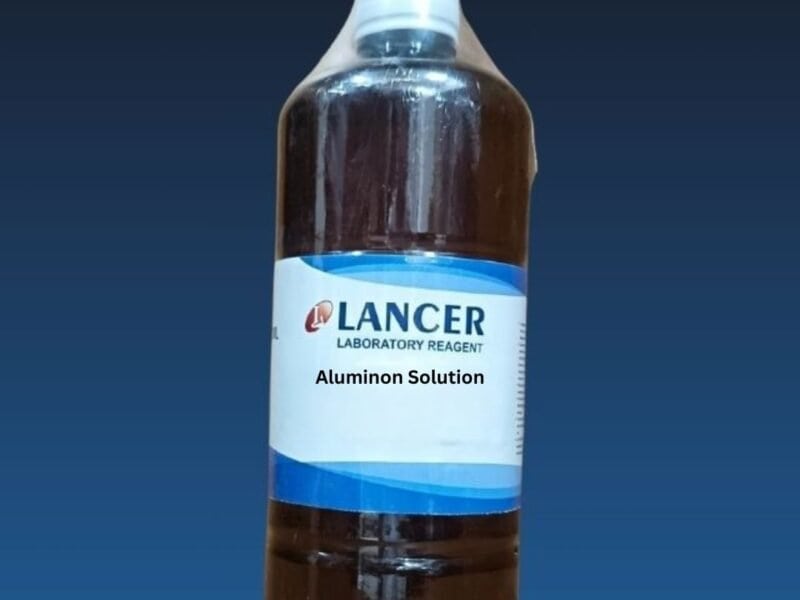
Description
Specifications Table
Product Name – Sodium benzyloxide, 1M solution in benzyl alcohol, AcroSeal®
Quantity/Pack Size – 100ML
Form – Liquid solution
Grade – Laboratory grade
Application – Organic synthesis, base-catalyzed reactions
Product Overview
Sodium benzyloxide, 1M solution in benzyl alcohol, is a high-purity laboratory reagent designed for demanding organic synthesis applications. This AcroSeal®-certified solution ensures stability and consistent performance, making it a reliable choice for researchers and chemists. The 1M concentration provides optimal reactivity without compromising safety, while the benzyl alcohol solvent enhances solubility for a wide range of substrates. The solution is carefully prepared to minimize moisture contamination, preserving its potency for base-catalyzed transformations. Its sealed packaging prevents degradation from atmospheric exposure, ensuring long-term storage stability. This reagent is particularly valued for its ability to deprotonate weak acids and initiate nucleophilic substitutions with precision. The absence of stabilizing additives guarantees purity, making it suitable for sensitive analytical applications where trace impurities could interfere with results.
FAQs
1. What is the shelf life of this Sodium Benzyloxide solution?
When stored unopened in its original AcroSeal® packaging at room temperature, this solution maintains its specified concentration for at least 12 months from the date of manufacture.
2. Can this solution be used directly without further dilution?
The 1M concentration is optimized for most standard applications, but depending on your specific reaction requirements, further dilution with anhydrous solvents may be necessary for precise stoichiometry.
3. What precautions should be taken when handling this reagent?
As a strong base, this solution requires handling in a fume hood with appropriate PPE including gloves and goggles. Avoid contact with skin and eyes, and never use glassware that hasn’t been properly dried.
4. How does the benzyl alcohol solvent affect reaction outcomes?
The benzyl alcohol serves as both solvent and reactant in some systems, potentially participating in transesterification reactions. Its higher boiling point (205°C) allows for elevated temperature reactions without solvent loss.
5. What alternatives exist for similar base-catalyzed reactions?
Sodium methoxide or sodium ethoxide in their respective alcohols are common alternatives, though they offer different solubility profiles and basicity strengths that may affect reaction rates and selectivity.