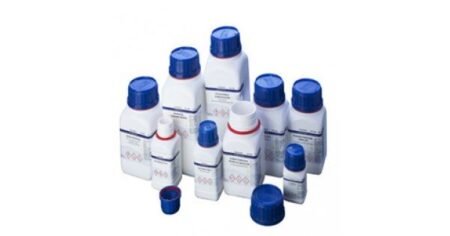
Description
Specifications Table
| Product Name | Acetone 99.8% HPLC/UV | 00013 | Loba Chemie |
|---|---|
| Pack Size | 1 L |
| Form | Liquid |
| Grade | HPLC/UV |
| Application | HPLC, UV spectroscopy, lab solvent |
Product Description
When precision matters in your lab work, the quality of your solvents can make all the difference. Acetone 99.8% HPLC/UV from Loba Chemie is a high-purity solvent designed specifically for demanding applications like high-performance liquid chromatography (HPLC) and UV spectroscopy. Whether you’re a student running experiments, a researcher analyzing samples, or an educator demonstrating techniques, this acetone ensures accurate, reproducible results every time.
What sets this acetone apart is its exceptional purity level of 99.8%. This means minimal impurities that could interfere with your readings or contaminate your samples. The HPLC/UV grade designation confirms it meets strict standards for both chromatography and ultraviolet spectroscopy, making it a versatile choice for multiple lab applications. You won’t need to worry about background interference or inconsistent baseline readings when using this solvent.
The low UV absorbance of this acetone is particularly valuable for spectroscopy work. When you’re measuring compounds that absorb in the UV range, the last thing you want is your solvent contributing to the signal. This grade of acetone stays out of the way, letting you focus on your actual sample’s properties. It’s also an excellent choice for sample preparation, where purity directly impacts your final results.
In practical lab settings, you’ll appreciate how this acetone performs in real-world conditions. It evaporates cleanly without leaving residues that could affect subsequent experiments. The consistent quality between batches means you can rely on the same performance whether you’re ordering for the first time or restocking your lab supplies. For researchers working on sensitive analyses or students learning proper lab techniques, this reliability is invaluable.
Need high-purity acetone for your next experiment? Order Acetone 99.8% HPLC/UV from eqipped today and experience the difference professional-grade solvents make in your lab work.
Safety is always a priority when working with solvents. While acetone is commonly used in labs, proper handling is essential. Always use this product in a well-ventilated area or under a fume hood. Wear appropriate personal protective equipment including gloves and safety goggles. Keep the container tightly closed when not in use and store it away from heat sources or open flames. Remember that acetone is highly flammable, so take all necessary precautions to prevent fire hazards in your workspace.
For educational institutions and research facilities, maintaining a stock of high-quality solvents like this acetone is crucial for consistent experimental outcomes. Whether you’re setting up a new lab or replenishing your chemical inventory, choosing HPLC/UV grade acetone ensures your students and researchers have access to materials that meet professional standards. The peace of mind that comes with using reliable solvents allows you to focus on the science rather than worrying about reagent quality.
When you buy acetone for HPLC applications from eqipped, you’re getting more than just a chemical – you’re investing in the accuracy of your research and the quality of your educational demonstrations. The attention to detail in this product’s manufacturing process translates directly to better results in your lab. From undergraduate chemistry labs to advanced research projects, this acetone delivers the performance professionals expect.