Description
Specifications Table
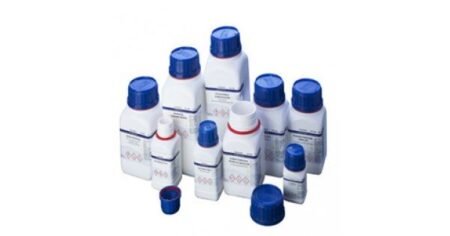
| Product Name | Acetone 99.5% Electronic Grade |
|---|---|
| Pack Size | 1 L | 2.5 L | 5 L |
| Form | Liquid |
| Grade | Electronic Grade |
| Application | Electronics cleaning, PCB flux removal, lab solvent |
Product Description
When it comes to cleaning sensitive electronic components, purity matters. Acetone 99.5% Electronic Grade from Loba Chemie is a high-performance solvent designed specifically for labs and electronics manufacturing. Unlike industrial-grade acetone, this variant undergoes rigorous purification to eliminate impurities that could damage delicate circuits or leave residues.
Electronic-grade acetone is a go-to choice for technicians and researchers who need a fast-evaporating, non-corrosive cleaner. It effectively dissolves fluxes, adhesives, and oils without harming plastic or metal parts. Whether you’re working on PCBs, semiconductor devices, or general lab equipment, this solvent ensures a spotless finish every time.
At eqipped, we understand the importance of reliability in lab supplies. That’s why we source this acetone directly from Loba Chemie, a trusted name in chemical manufacturing. Each batch is tested for consistency, so you get the same high quality with every order.
Need bulk quantities for your lab or production line? Shop now and get competitive pricing on larger packs.
Why Electronic-Grade Acetone?
Not all acetone is created equal. Here’s what sets electronic-grade apart:
Ultra-Low Impurities: With 99.5% purity, this acetone minimizes the risk of contamination that could interfere with electronic performance. Industrial-grade solvents often contain moisture or additives that leave behind unwanted residues.
Fast Evaporation: The low boiling point ensures quick drying, reducing wait times in assembly or repair processes. This is crucial for high-volume production environments where efficiency is key.
Safe for Delicate Materials: Unlike harsh cleaners, electronic-grade acetone won’t degrade plastics, rubbers, or sensitive coatings commonly found in modern electronics.
Versatile Applications: Beyond electronics, it’s also used in analytical labs for sample preparation and equipment cleaning. Its high solubility makes it ideal for dissolving a wide range of organic compounds.
Common Uses in Labs and Industry
This solvent isn’t just for electronics. Researchers and technicians rely on it for:
PCB Cleaning: Removes flux residues after soldering, preventing short circuits and corrosion.
Semiconductor Manufacturing: Used in wafer cleaning and photoresist development processes.
Lab Equipment Maintenance: Cleans glassware, pipettes, and other tools without leaving streaks.
Adhesive Removal: Safely dissolves epoxy, tape residues, and labels from surfaces.
Sample Preparation: Helps in extracting or dissolving samples for chromatography and spectroscopy.
For students and educators, this acetone is a staple in chemistry labs for experiments requiring a high-purity solvent. Its clarity and consistency make it easy to work with, whether you’re demonstrating solubility principles or preparing samples for analysis.
Safety and Handling
While acetone is generally safe when used properly, it’s important to follow basic precautions:
Ventilation: Always use in a well-ventilated area or under a fume hood to avoid inhaling vapors.
Storage: Keep the container tightly sealed and away from heat sources or open flames. Acetone is highly flammable.
Personal Protection: Wear nitrile gloves and safety goggles to prevent skin or eye contact.
Disposal: Follow local regulations for chemical waste disposal. Never pour acetone down drains.
Risk Note: Acetone is a flammable liquid and vapor. May cause drowsiness or dizziness if inhaled. Keep away from ignition sources. In case of contact with eyes, rinse immediately with water and seek medical advice.
Choosing the Right Pack Size
Eqipped offers this electronic-grade acetone in three convenient sizes to match your needs:
1 L: Ideal for small labs, students, or occasional use. Easy to store and handle.
2.5 L: A balanced option for regular users, like research labs or small-scale production.
5 L: Best for bulk buyers, educational institutions, or industrial applications where large volumes are needed.
Not sure which size to pick? Consider how frequently you’ll use it. For most electronics repair shops or university labs, the 2.5 L bottle strikes a good balance between cost and convenience.
Why Buy from Eqipped?
When you order from eqipped, you’re not just getting a product—you’re getting a seamless experience. We prioritize:
Authentic Products: Every batch of Acetone 99.5% Electronic Grade is sourced directly from Loba Chemie, ensuring you receive genuine, high-quality solvent.
Fast Delivery: With warehouses across India, we ship orders quickly so you spend less time waiting and more time working.
Transparent Pricing: No hidden fees. The price you see is what you pay, with discounts available on bulk orders.
Dedicated Support: Have questions about compatibility or usage? Our team of lab supply experts is just a call or email away.
Ready to stock up? Order your Acetone 99.5% Electronic Grade today and experience the eqipped difference.
FAQs
What is the difference between electronic-grade and industrial-grade acetone?
Electronic-grade acetone undergoes additional purification to remove impurities like water, metals, and other contaminants. This makes it safer for use on sensitive electronic components, whereas industrial-grade may leave residues or cause corrosion.
Can I use this acetone to clean my laptop or phone internals?
Yes, but with caution. While it’s safe for most plastic and metal parts, avoid direct contact with screens, batteries, or sensitive sensors. Use a lint-free cloth or swab and allow components to dry completely before reassembly.
Is this acetone suitable for medical or food-related applications?
No. This product is specifically formulated for electronics and lab use. For medical or food-grade applications, you’ll need a different solvent that meets those regulatory standards.
How should I store acetone to extend its shelf life?
Store it in a tightly sealed container in a cool, dry place away from direct sunlight and heat sources. Properly stored, electronic-grade acetone can last for years without degradation.
Do you offer bulk discounts for large orders?
Yes! Contact our sales team for customized pricing on bulk purchases. We regularly supply educational institutions, research labs, and manufacturing units with competitive rates.