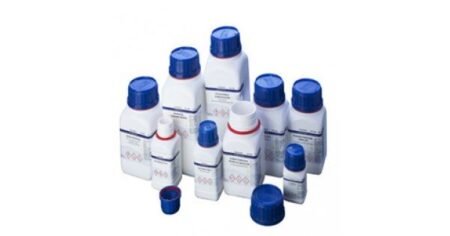
Description
Specifications Table
| Product Name | Agarose (H) Electrophoresis | 00791 | Loba Chemie |
|---|---|
| Pack Size | 100g |
| Form | Powder |
| Grade | Electrophoresis Grade |
| Application | DNA/RNA electrophoresis, molecular biology |
Product Description
Agarose (H) from Loba Chemie is a premium-grade polysaccharide designed specifically for nucleic acid electrophoresis. With its low electroendosmosis (EEO) and high gel strength, this agarose ensures crisp, well-defined bands during DNA or RNA separation. Whether you’re a student running your first gel or a researcher optimizing protocols, this product delivers consistent results every time.
Unlike standard agarose, the (H) variant offers superior clarity and minimal background interference, making it ideal for downstream applications like gel documentation and blotting. Its high purity reduces the risk of nuclease contamination, safeguarding your precious samples. For labs prioritizing reproducibility, this agarose is a reliable choice.
At eqipped, we understand the importance of quality reagents in research. That’s why we source this agarose directly from Loba Chemie, a trusted name in laboratory chemicals. Whether you’re setting up a teaching lab or scaling up experiments, this product meets the rigorous demands of modern molecular biology.
Why This Agarose Stands Out
Not all agarose is created equal. This electrophoresis-grade variant is optimized for:
- High-resolution separation of DNA fragments (50 bp to 20 kb)
- Low EEO for reduced band distortion
- Excellent gel clarity for easy visualization
- Compatibility with common stains like ethidium bromide
Students often struggle with smudged or diffused bands during electrophoresis. With Agarose (H), you’ll notice sharper results even at higher voltages, saving time and frustration. Educators can confidently use this product for practical demonstrations, knowing it performs reliably batch after batch.
Applications in Research and Education
This agarose is versatile enough for both routine and specialized applications:
- Analytical DNA electrophoresis (e.g., PCR product analysis)
- RNA separation and Northern blotting
- Teaching labs for undergraduate genetics courses
- Preparative gels for DNA extraction
For researchers working with sensitive samples, the high purity minimizes degradation risks. The consistent gelation properties also make it suitable for automated electrophoresis systems, ensuring seamless integration into high-throughput workflows.
Handling and Storage Tips
To maintain performance:
- Store at room temperature in a dry environment
- Avoid moisture exposure to prevent clumping
- Use molecular biology-grade water for gel preparation
- Heat gently to dissolve—avoid boiling to preserve integrity
Pro tip: If you’re new to gel electrophoresis, start with a 1% agarose concentration for most DNA applications. Adjust based on your fragment size needs.
Safety Note
While agarose is generally non-hazardous, always wear appropriate PPE (gloves, lab coat) when handling. Avoid inhaling powder, and dispose of waste according to local regulations.
FAQs
What’s the difference between standard and electrophoresis-grade agarose?
Electrophoresis-grade agarose undergoes additional purification to remove impurities that can interfere with nucleic acid migration, ensuring clearer results.
Can I use this agarose for protein electrophoresis?
No, agarose is specifically for nucleic acids. For proteins, consider polyacrylamide gels or specialized agarose blends.
How do I choose the right agarose concentration?
Lower concentrations (0.7–1%) work for larger DNA fragments, while higher concentrations (1.5–2%) resolve smaller fragments better.
Is this agarose compatible with SYBR Safe or other DNA stains?
Yes, it works well with most nucleic acid stains, including SYBR Safe, GelRed, and ethidium bromide.
Do you offer bulk discounts for educational institutions?
Yes! Contact eqipped’s support team for tailored pricing for universities and research labs.
Ready to upgrade your electrophoresis results? Order Agarose (H) from eqipped today and experience the difference in clarity and reliability.