Description
Specifications Table
| Product Name | BROMOBENZENE 99% Extra Pure | 00050 | Loba Chemie |
|---|---|
| Pack Size | 250 ml – 500 ml – 2500 ml |
| Form | Liquid |
| Grade | Extra Pure (99%) |
| Application | Organic synthesis, laboratory research, chemical analysis |
Product Description
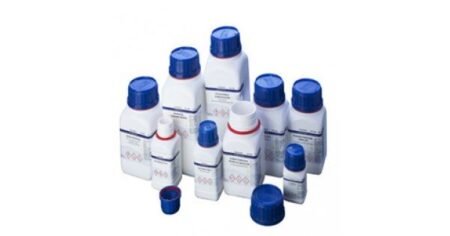
Bromobenzene 99% Extra Pure is a high-quality chemical reagent widely used in organic synthesis, pharmaceutical research, and laboratory experiments. Its high purity ensures minimal impurities, making it ideal for precise applications where consistency matters. Whether you’re a student conducting experiments or a researcher developing new compounds, this lab-grade bromobenzene delivers reliable performance.
At eqipped, we understand the importance of sourcing premium chemicals for your lab work. That’s why we offer bromobenzene in multiple pack sizes (250 ml, 500 ml, and 2500 ml) to suit different project scales. Each batch is carefully tested to meet stringent quality standards, so you can focus on your work without worrying about contamination or inconsistency.
Looking to buy bromobenzene online in India? eqipped provides a seamless shopping experience with fast shipping and secure packaging. Our platform is trusted by educators, students, and researchers across the country for authentic lab supplies.
Need bromobenzene for your next experiment? Order now and get it delivered to your lab doorstep.
FAQs
What is the purity level of this bromobenzene?
This product is 99% extra pure, making it suitable for high-precision laboratory applications.
Can I buy bromobenzene in bulk quantities?
Yes, we offer bromobenzene in 250 ml, 500 ml, and 2500 ml pack sizes to accommodate different requirements.
Is bromobenzene safe for student lab experiments?
While it’s commonly used in educational labs, proper safety measures must be followed due to its hazardous nature.
How should I store bromobenzene?
Store in a tightly sealed container in a cool, dry place away from direct sunlight and heat sources.
Does eqipped provide COA (Certificate of Analysis) for this product?
Yes, we can provide COA upon request for quality verification.