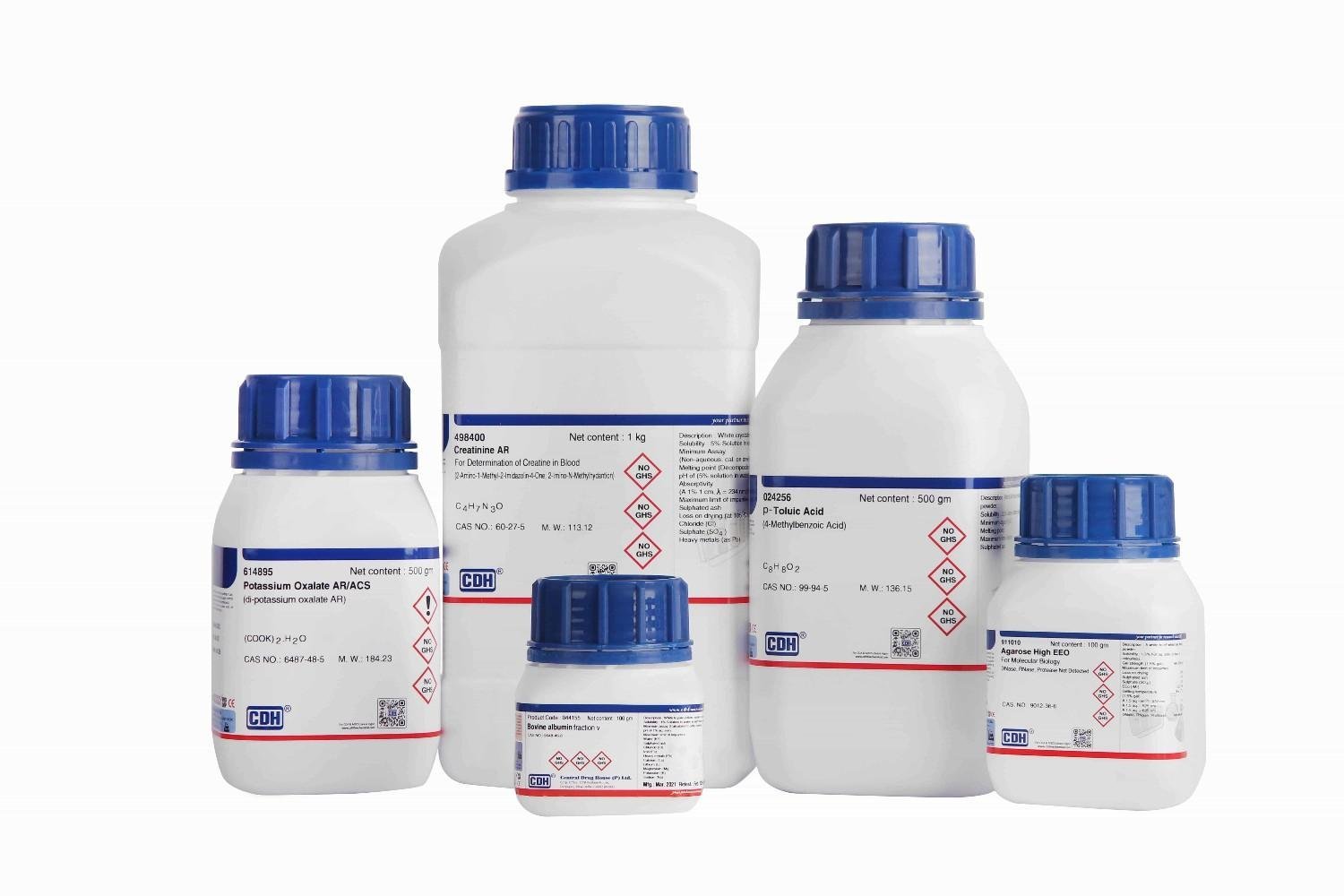
Description
Specifications Table
Product Name: 1-Octanol (Octyl Alcohol) for Synthesis (Octan-1-OL, n-Octanol) 99.0%
Quantity/Pack Size: 500 ml, 2.5 lit, 25 lit, 200 lit
Form: Liquid
Grade: 99.0%
Application: Synthesis, Research, Industrial
Product Overview
1-Octanol, also known as Octyl Alcohol or n-Octanol, is a high-purity organic compound widely used in laboratory and industrial settings. With a 99.0% grade, this product ensures reliable performance in various chemical reactions and synthesis processes. Its long-chain alcohol structure makes it an essential reagent for organic synthesis, solvent applications, and research purposes. The compound is characterized by its high solubility in organic solvents and low toxicity, making it a preferred choice for laboratory experiments. Manufactured under stringent quality control standards, this 1-Octanol is ideal for academic, industrial, and research applications. Its versatility extends to use in fragrance and flavor industries, where it serves as a key intermediate in the production of esters and other derivatives. The product is packaged in various sizes to cater to different laboratory and industrial needs, ensuring convenience and efficiency in handling.
FAQs
1. What are the primary applications of 1-Octanol?
1-Octanol is primarily used in organic synthesis, research, and industrial applications, including solvent extraction, fragrance production, and as a reagent in chemical reactions.
2. Is 1-Octanol compatible with other chemicals?
1-Octanol is compatible with most organic solvents but should be stored away from strong oxidizing agents and acids to prevent reactions.
3. What is the shelf life of 1-Octanol?
The shelf life of 1-Octanol is typically 24 months from the date of manufacture when stored under recommended conditions.
4. How should 1-Octanol be stored?
1-Octanol should be stored in a cool, dry place, away from direct sunlight and heat sources, in a tightly sealed container.
5. Can 1-Octanol be used in food-grade applications?
While 1-Octanol is used in the fragrance and flavor industry, its specific use in food-grade applications depends on regulatory approval and intended use.