Description
Specifications Table
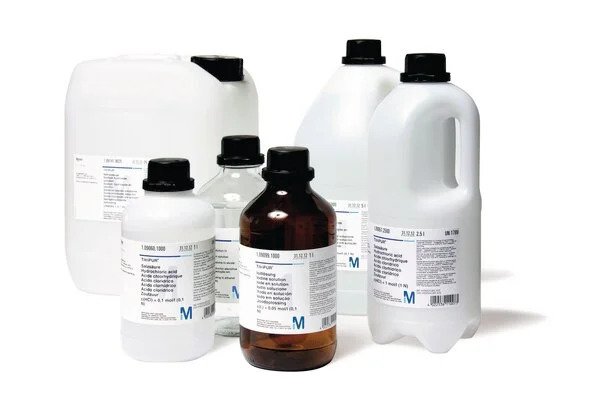
| Product Name | 1,4-Dioxane Emplura® |
|---|---|
| Quantity/Pack Size | 1 L |
| Form | Liquid |
| Grade | Emplura® (Laboratory Grade) |
| Application | Solvent for HPLC, GC, and organic synthesis |
Product Description
When precision matters in your lab, 1,4-Dioxane Emplura® from Merck stands out as a trusted solvent for demanding applications. Whether you’re working on chromatography, spectroscopic analysis, or organic synthesis, this high-purity grade ensures minimal impurities and reliable performance. Researchers and students alike rely on Emplura® solvents for their consistency, making them a staple in academic and industrial laboratories.
1,4-Dioxane is particularly valued for its ability to dissolve a wide range of organic compounds, making it indispensable in extractions and reactions. Its low UV absorbance and high boiling point further enhance its utility in analytical techniques. For those looking to buy 1,4-dioxane online, eqipped offers genuine Merck products with seamless delivery across India.
Need a dependable solvent for your next experiment? Order 1,4-Dioxane Emplura® 1 L today and experience the difference in quality.
FAQs
What is the purity level of 1,4-Dioxane Emplura®?
Emplura® grade solvents typically meet or exceed 99% purity, with detailed specifications available in the product’s certificate of analysis.
Can this solvent be used for HPLC applications?
Yes, 1,4-Dioxane Emplura® is suitable for HPLC and other chromatographic techniques due to its low UV absorbance and high purity.
How should I store 1,4-Dioxane?
Store the bottle tightly sealed in a cool, dry place, away from direct sunlight and heat sources. Follow local regulations for hazardous chemical storage.
Is this product available in smaller quantities?
Currently, eqipped offers the 1 L pack size. For bulk or custom requirements, contact our support team for assistance.
What safety precautions are necessary when using 1,4-Dioxane?
Always use in a fume hood, wear nitrile gloves, and avoid inhalation. Refer to the SDS (Safety Data Sheet) for comprehensive handling guidelines.