Description
Specifications Table
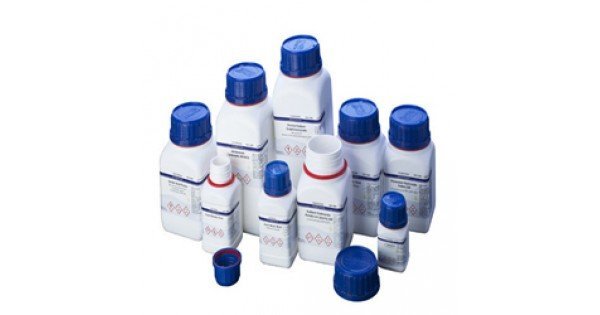
Product Name – 2-AMINO 4-METHYLPYRIDINE 98% For Synthesis
Quantity/Pack Size – 100 g, 500 g
Form – Solid (Powder/Crystals)
Grade – For Synthesis
Application – Organic synthesis, chemical research, intermediate production
Product Overview
2-Amino 4-Methylpyridine 98% is a high-purity chemical compound designed for synthesis applications, offering exceptional reactivity and reliability in laboratory settings. This fine chemical features a molecular structure that ensures consistent performance in organic synthesis, making it a preferred choice for researchers and chemists. With a purity level of 98%, it minimizes impurities that could interfere with experimental outcomes, providing accurate and reproducible results. The compound is typically available in solid form, either as a powder or crystalline structure, which enhances its stability and ease of handling during lab procedures. Its solubility properties allow for seamless integration into various reaction mixtures, supporting a wide range of chemical transformations. The synthesis grade designation indicates its suitability for demanding applications where precision is critical. Whether used as a building block in complex molecular assemblies or as a reagent in intermediate production, this compound delivers the performance required for advanced chemical research. Proper storage in a cool, dry environment ensures long-term stability, preserving its integrity for future use.
FAQs
1. What is the chemical structure of 2-Amino 4-Methylpyridine?
It consists of a pyridine ring with an amino group at the 2-position and a methyl group at the 4-position, contributing to its reactivity.
2. Is this compound compatible with aqueous solutions?
Yes, it exhibits moderate solubility in water, allowing it to be used in both aqueous and organic solvent-based reactions.
3. What are the recommended storage conditions for this chemical?
Store in a tightly sealed container, away from moisture and direct sunlight, at room temperature for optimal stability.
4. Can this be used as a substitute for similar pyridine derivatives?
While it shares structural similarities, substitution depends on the specific reaction requirements and desired outcomes.
5. How does the 98% purity level impact experimental results?
The high purity reduces the risk of side reactions or contamination, ensuring more accurate and reliable synthesis outcomes.