Description
Specifications Table
| Product Name | 2,6-Dimethylaniline For Synthesis |
|---|---|
| Quantity/Pack Size | 250 ML |
| Form | Liquid |
| Grade | For Synthesis |
| Application | Organic synthesis, chemical research |
Product Description
When precision matters in your laboratory work, 2,6-Dimethylaniline for synthesis from Merck delivers the purity and consistency researchers demand. This high-quality chemical serves as a fundamental building block in organic synthesis, particularly valued for its role in creating complex molecular structures.
The synthesis grade designation ensures minimal impurities that could interfere with delicate reactions. Whether you’re working on pharmaceutical intermediates, agrochemical development, or advanced materials research, this compound provides the reliable performance needed for reproducible results.
For students and educators, this chemical offers an excellent opportunity to demonstrate key organic chemistry principles in practical lab sessions. Its distinct molecular structure makes it particularly useful for illustrating substitution patterns and aromatic compound behavior.
For researchers seeking consistent batch-to-batch quality, eqipped provides authentic Merck chemicals with full traceability.
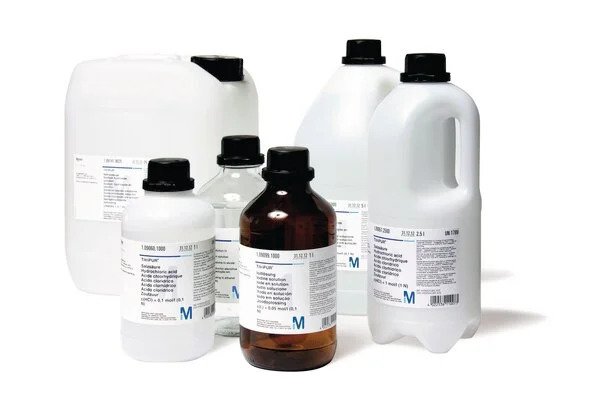
The 250ml packaging strikes an ideal balance between sufficient quantity for multiple experiments and practical storage considerations. The amber glass bottle protects the contents from light degradation while the secure cap prevents contamination.
When handling this chemical, always follow standard laboratory safety protocols. Proper storage in a cool, dry place away from incompatible substances will maintain its stability throughout its shelf life.
Chemical Properties and Applications
2,6-Dimethylaniline belongs to the aniline family, featuring two methyl groups at the 2 and 6 positions of the benzene ring. This specific substitution pattern influences its reactivity and makes it particularly useful in certain synthetic pathways.
In research settings, chemists frequently employ this compound as a starting material for:
– Dye and pigment synthesis
– Pharmaceutical intermediate production
– Polymer chemistry applications
– Catalyst development
The dimethyl substitution affects both the electronic properties and steric hindrance of the molecule, which can be advantageous in directing specific reaction pathways. This makes it a valuable tool in the organic chemist’s toolkit.
Safety Considerations
Risk Note: 2,6-Dimethylaniline is a hazardous chemical that requires careful handling. Always wear appropriate personal protective equipment including nitrile gloves, safety goggles, and a lab coat when working with this substance. Perform all procedures in a properly ventilated fume hood. Avoid skin contact and inhalation of vapors. Store in a dedicated chemical cabinet away from oxidizing agents and sources of ignition.
Why This Product Stands Out
Merck’s reputation for chemical excellence ensures you receive a product that meets strict quality standards. The synthesis grade purity means you can trust your experimental results without worrying about contaminant interference. For laboratories that demand consistency, this product delivers batch after batch.
The 250ml size offers excellent value for both academic and research applications. It provides enough material for multiple experiments while remaining cost-effective for budget-conscious labs. The packaging design also makes it easy to dispense precise quantities without waste.
Researchers across India rely on eqipped for authentic Merck chemicals delivered with care and technical support.
Storage and Handling Recommendations
To maintain optimal quality, store this chemical in its original container at room temperature, away from direct sunlight and moisture. Keep the bottle tightly sealed when not in use to prevent oxidation or contamination. For long-term storage, consider using a desiccator or chemical storage cabinet designed for organic compounds.
When transferring the chemical, use clean, dry glassware to avoid introducing impurities. Always label secondary containers clearly with the chemical name, date, and any relevant hazard information.
Common Questions About 2,6-Dimethylaniline
As you consider adding this chemical to your laboratory inventory, you might have some practical questions about its use and properties.
FAQs
What is the typical shelf life of 2,6-Dimethylaniline for synthesis?
When stored properly in its original sealed container, this chemical typically maintains its specified purity for 2-3 years from the date of manufacture. Always check the expiration date on the label and perform appropriate quality checks if using near the end of the shelf life period.
How does the dimethyl substitution affect reactivity compared to regular aniline?
The methyl groups at positions 2 and 6 create both electronic and steric effects. Electronically, they donate electron density to the ring, making it more nucleophilic. Sterically, they can hinder reactions at the ortho positions while potentially directing substitutions to the para position. This modified reactivity profile makes it useful for specific synthetic routes where regular aniline might not be suitable.
What safety equipment is essential when working with this chemical?
At minimum, you should use nitrile gloves (not latex), chemical-resistant safety goggles, and a lab coat. For procedures involving larger quantities or extended exposure, consider additional protection like a face shield and working in a fume hood with proper airflow. Always have an eyewash station and safety shower nearby when handling this compound.
Can this chemical be used for educational demonstrations?
Yes, with proper safety precautions and institutional approval. It serves as an excellent example for demonstrating aromatic substitution reactions and the effects of substituent groups on benzene ring reactivity. However, always follow your institution’s chemical handling protocols and consider using smaller quantities for classroom demonstrations.
What are the proper disposal methods for unused or expired material?
Never dispose of this chemical in regular waste or down drains. Follow your institution’s chemical waste disposal procedures, which typically involve collecting in approved containers and arranging for proper hazardous waste disposal through licensed services. Many research institutions have specific protocols for aniline derivatives that should be followed.