Description
Specifications Table
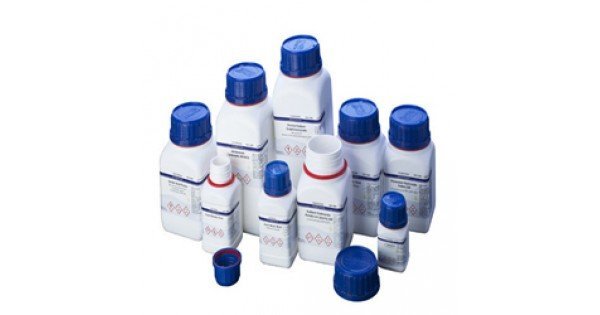
Product Name – 3-Aminobenzoic Acid 98% For Synthesis
Quantity/Pack Size – 100 g, 500 g
Form – Powder
Grade – For Synthesis
Application – Organic synthesis, reagent
Product Overview
3-Aminobenzoic acid 98% is a high-purity aromatic amine widely used in organic synthesis due to its reactivity and stability. This white to off-white crystalline powder offers excellent solubility in polar solvents, making it a preferred choice for laboratory applications requiring precise chemical reactions. The synthesis-grade purity ensures minimal impurities, enhancing the reliability of experimental results. Its molecular structure, featuring an amino group and a carboxyl group, allows for versatile derivatization, supporting the creation of complex organic compounds. The compound is stable under standard storage conditions, though it should be kept in a cool, dry place to prevent moisture absorption. As a key intermediate in pharmaceutical and agrochemical synthesis, this reagent is valued for its consistent performance and compatibility with a broad range of reaction conditions. Whether used in esterification, amide formation, or other functional group transformations, 3-aminobenzoic acid delivers reproducible outcomes, making it indispensable in research and development settings.
FAQs
1. What is the shelf life of 3-aminobenzoic acid 98%?
When stored in a sealed container away from moisture and direct sunlight, 3-aminobenzoic acid 98% remains stable for up to 24 months from the date of manufacture.
2. Is this compound compatible with aqueous solutions?
Yes, 3-aminobenzoic acid exhibits good solubility in water and polar organic solvents, though its solubility may vary slightly depending on temperature and pH.
3. Can this be used as a substitute for anthranilic acid?
While both are aromatic amines, 3-aminobenzoic acid has a distinct carboxyl group position, so its reactivity differs. Always verify compatibility with your specific synthesis protocol.
4. What precautions should be taken during handling?
Wear protective gloves, goggles, and a lab coat to avoid skin and eye contact. Work in a well-ventilated area or fume hood to minimize inhalation risk.
5. How should this product be disposed of?
Follow local chemical waste disposal regulations. Neutralize or incinerate in a licensed facility if required, avoiding environmental contamination.
—