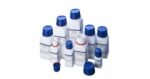
Description
Specifications Table
Product Name – 3-CHLOROANILINE 98% For Synthesis
Quantity/Pack Size – 500 ml
Form – Liquid
Grade – For Synthesis
Application – Organic synthesis, chemical research
Product Overview
3-Chloroaniline 98% is a high-purity aromatic amine designed for synthesis applications, offering exceptional reliability in organic chemistry processes. This compound features a chlorine substituent at the meta position relative to the amino group, providing unique reactivity for halogenation, amination, and substitution reactions. Its high purity level (98%) minimizes impurities, ensuring consistent experimental outcomes and reducing the need for additional purification steps. The liquid form allows for easy handling and precise measurement in laboratory settings. As a versatile building block in chemical synthesis, it serves as an intermediate in the production of pharmaceuticals, agrochemicals, and specialty chemicals. The synthesis grade designation indicates its suitability for research and development applications where reproducibility is critical. Proper storage in a cool, dry environment away from oxidizing agents preserves its stability and extends shelf life. This product meets stringent quality standards, making it a preferred choice for chemists requiring dependable reagents for complex synthetic routes.
FAQs
1. What is the shelf life of 3-Chloroaniline 98% when stored properly?
When stored in a tightly sealed container at room temperature away from moisture and light, 3-Chloroaniline 98% maintains its stability for up to 24 months from the date of manufacture.
2. Is this compound compatible with common organic solvents?
Yes, 3-Chloroaniline 98% is soluble in most organic solvents including ethanol, methanol, acetone, and dichloromethane, making it suitable for various reaction media.
3. What safety precautions should be taken when handling this chemical?
Always use in a well-ventilated fume hood with appropriate personal protective equipment including gloves, goggles, and lab coat due to its potential toxicity and irritant properties.
4. Can this product be used as a starting material for dye synthesis?
While primarily designed for synthesis applications, its amino and chloro functional groups make it potentially useful as an intermediate in certain dye manufacturing processes.
5. How does the 98% purity level affect experimental results?
The high purity minimizes side reactions and byproducts, leading to cleaner reaction profiles and more predictable yields in synthetic procedures.