Description
Specifications Table
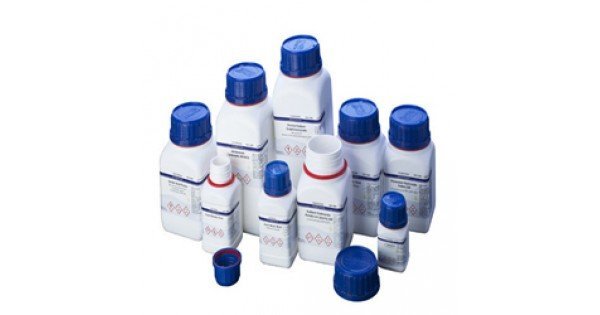
Product Name – 4-CHLOROANILINE 98% For Synthesis
Quantity/Pack Size – 500 g
Form – Solid (Powder/Crystals)
Grade – For Synthesis
Application – Organic synthesis, intermediate in dye and pharmaceutical production
Product Overview
4-Chloroaniline 98% is a high-purity aromatic amine widely used as a key intermediate in organic synthesis. This synthesis-grade compound exhibits excellent reactivity due to its chlorine substituent, which enhances electrophilic substitution reactions. The 98% purity ensures minimal impurities, making it ideal for applications requiring precise stoichiometry and reproducible results. Its solid form (typically powder or crystals) allows for easy handling and accurate weighing in laboratory settings. The compound’s stability under standard storage conditions further contributes to its reliability in long-term experimental workflows. As a halogenated aniline derivative, it serves as a versatile building block in the production of dyes, pigments, and pharmaceutical intermediates. The synthesis grade designation indicates it meets stringent quality standards for research applications while maintaining cost-effectiveness for bulk requirements. Proper handling is recommended due to its potential irritant properties, with standard laboratory safety protocols ensuring safe usage.
FAQs
1. What is the melting point range for 4-Chloroaniline 98%?
This compound typically melts between 68-71°C, though slight variations may occur depending on the specific batch and purity level.
2. Can this product be used directly in HPLC analysis?
While 98% purity is suitable for many applications, additional purification may be required for HPLC-grade analysis depending on your specific detection requirements.
3. What solvents are compatible with 4-Chloroaniline?
It shows good solubility in common organic solvents like ethanol, acetone, and dichloromethane, while being sparingly soluble in water.
4. How should I store this chemical to maintain its purity?
Store in a tightly sealed container away from moisture and light at room temperature, preferably in a dedicated chemical storage cabinet.
5. What safety precautions should be taken when handling this compound?
Use standard PPE including gloves and goggles, work in a fume hood, and avoid inhalation or skin contact due to its potential irritant properties.