Description
Specifications Table
Product Name – ADENINE 99% For Biochemistry
Quantity/Pack Size – 5 g, 25 g
Form – Powder
Grade – Biochemistry Grade
Application – Molecular biology, nucleic acid research
Product Overview
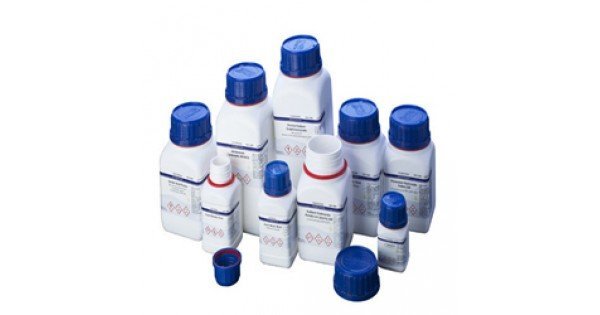
ADENINE 99% is a high-purity biochemical reagent designed for precision applications in molecular biology and nucleic acid research. This lab-grade adenine powder offers exceptional solubility in aqueous solutions, ensuring consistent performance in experimental protocols. Its 99% purity minimizes contaminants, making it ideal for sensitive assays, DNA/RNA synthesis, and enzymatic reactions. The stable crystalline structure ensures long shelf life when stored under recommended conditions, providing researchers with reliable results over extended periods. Whether used in buffer preparations or as a building block for nucleotide synthesis, this adenine variant delivers reproducibility and accuracy. The fine powder form allows for easy weighing and dissolution, reducing preparation time in lab workflows. Compatible with standard laboratory equipment, it integrates seamlessly into existing protocols without requiring additional optimization steps.
FAQs
1. What is the solubility of ADENINE 99% in water?
ADENINE 99% exhibits moderate solubility in water, typically requiring mild heating or alkaline pH adjustment for complete dissolution in experimental concentrations.
2. Can this adenine be used for cell culture applications?
While primarily designed for molecular biology, this grade can support cell culture supplementation when used at appropriate concentrations, though specialized cell culture grades may offer better compatibility.
3. How should ADENINE 99% be stored for long-term stability?
Store in a tightly sealed container at room temperature, protected from moisture and direct light to maintain purity and prevent degradation over time.
4. Is this adenine compatible with common DNA synthesis protocols?
Yes, the 99% purity level makes it suitable for most standard DNA synthesis and modification protocols without requiring additional purification steps.
5. What alternatives exist for applications requiring higher purity?
For ultra-sensitive applications, consider HPLC-grade adenine (>99.5% purity) or specialized nucleotide precursors, though these may come at a premium cost.