Description
Specifications Table
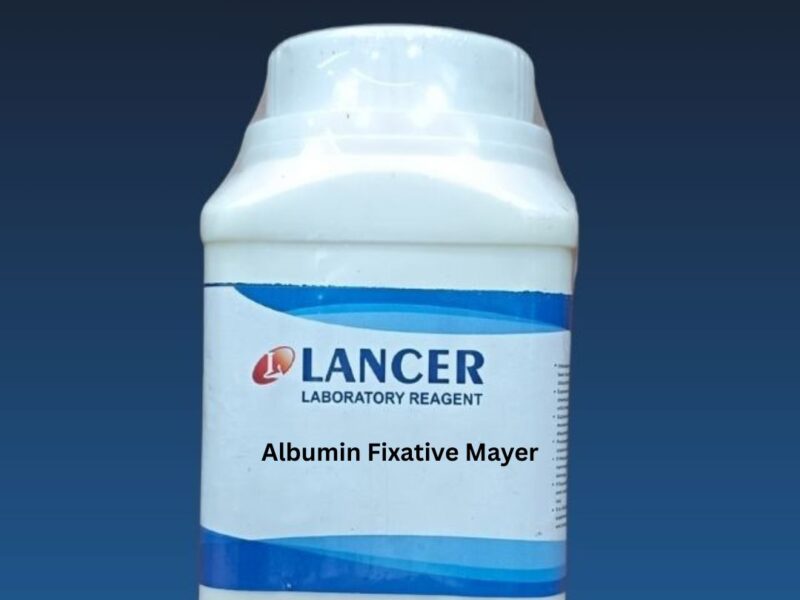
Product Name – Albumin, egg, powder Purified grade
Quantity/Pack Size – 125 g
Form – Powder
Grade – Purified
Application – Biochemical assays, protein research, immunoassays
Product Overview
This purified egg albumin powder is a highly refined protein extract derived from egg whites, designed for precision in laboratory applications. With a high degree of purity, it ensures minimal interference in biochemical assays, making it a reliable choice for protein research, immunoassays, and other sensitive experiments. The powder form offers excellent solubility in aqueous solutions, allowing for easy preparation and consistent results. Its stability under varying conditions ensures reproducibility in experiments, while the absence of contaminants guarantees accurate data interpretation. The purified grade designation indicates that it has undergone rigorous processing to remove impurities, making it suitable for demanding applications where consistency and reliability are critical. Whether used as a standard, reagent, or substrate, this egg albumin powder delivers performance that meets the exacting standards of modern laboratories.
FAQs
1. What is the recommended storage condition for this egg albumin powder?
Store the powder in a cool, dry place at 2-8°C, sealed tightly to prevent moisture absorption and contamination.
2. Is this albumin powder compatible with common laboratory buffers?
Yes, it is highly soluble in most aqueous buffers, including PBS, Tris, and HEPES, without forming aggregates.
3. Are there any known alternatives to egg albumin for similar applications?
Bovine serum albumin (BSA) is a common alternative, though egg albumin may be preferred in specific immunoassays due to lower cross-reactivity.
4. How is the purity of this albumin powder verified?
Purity is confirmed through SDS-PAGE and HPLC analysis, ensuring minimal presence of other proteins or contaminants.
5. Can this product be used in cell culture applications?
While primarily designed for biochemical assays, it can be used in cell culture if sterilized and tested for endotoxin levels.