Description
Specifications
Product Name – Analogous Model
Quantity/Pack Size – Single Unit
Form – Solid Model with Color-Coded Sections
Grade – Laboratory Grade
Application – Comparative Anatomy, Analogous Structure Study, Laboratory Reference
product overview
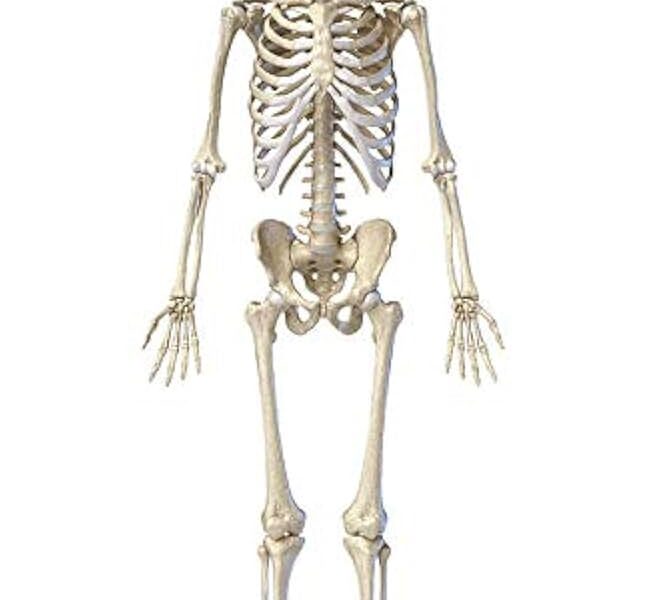
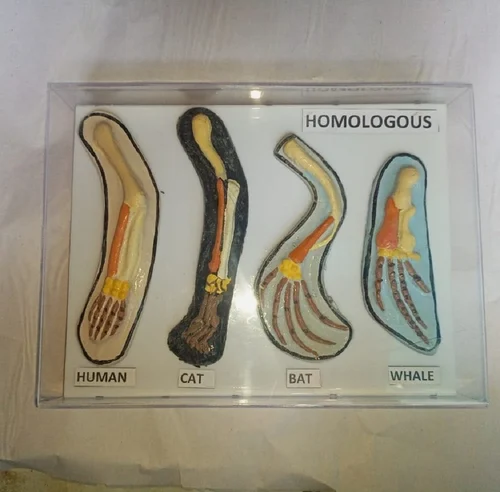
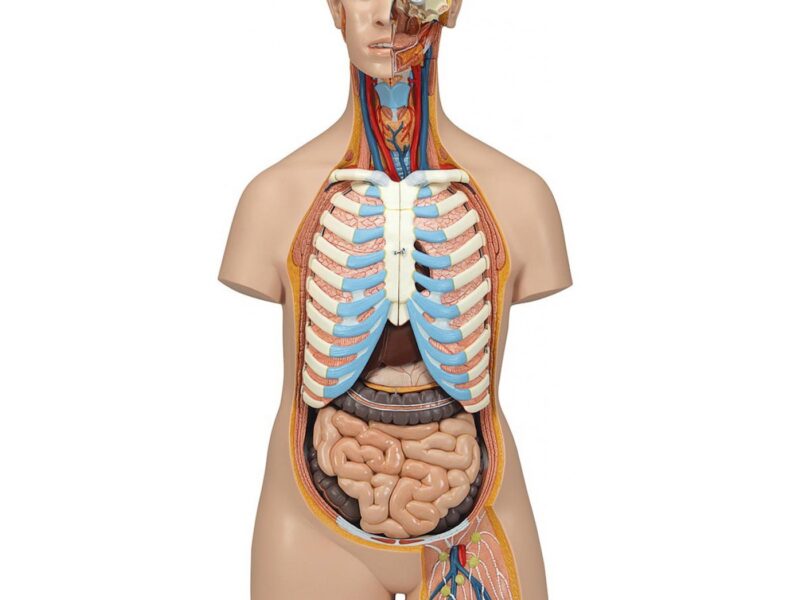
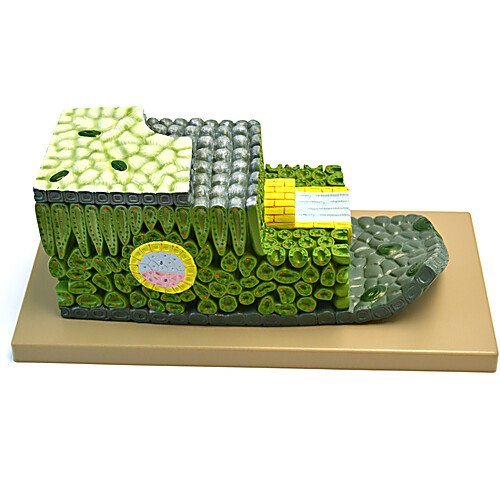
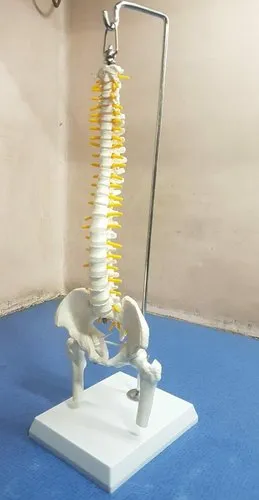
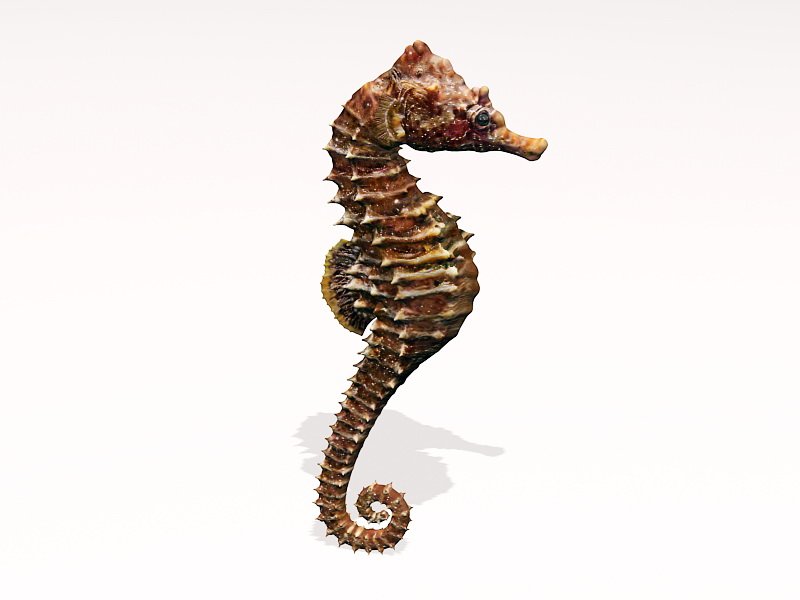
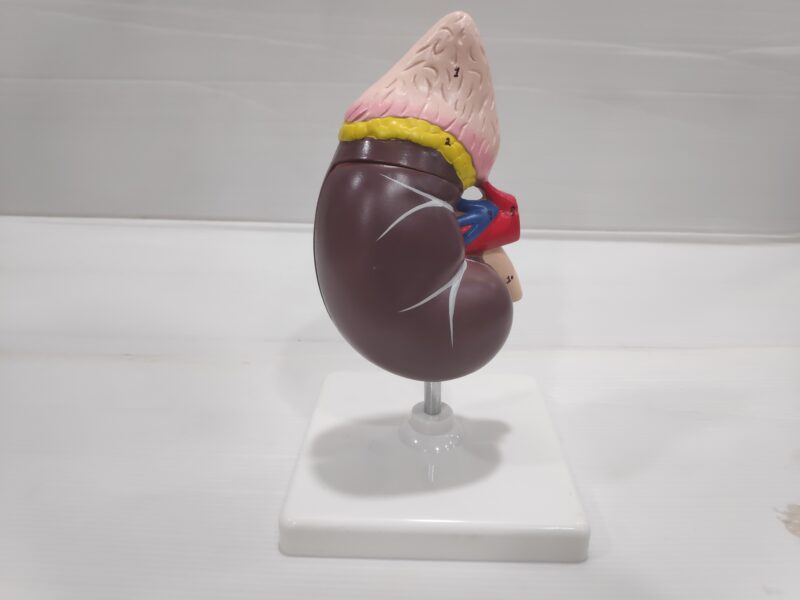
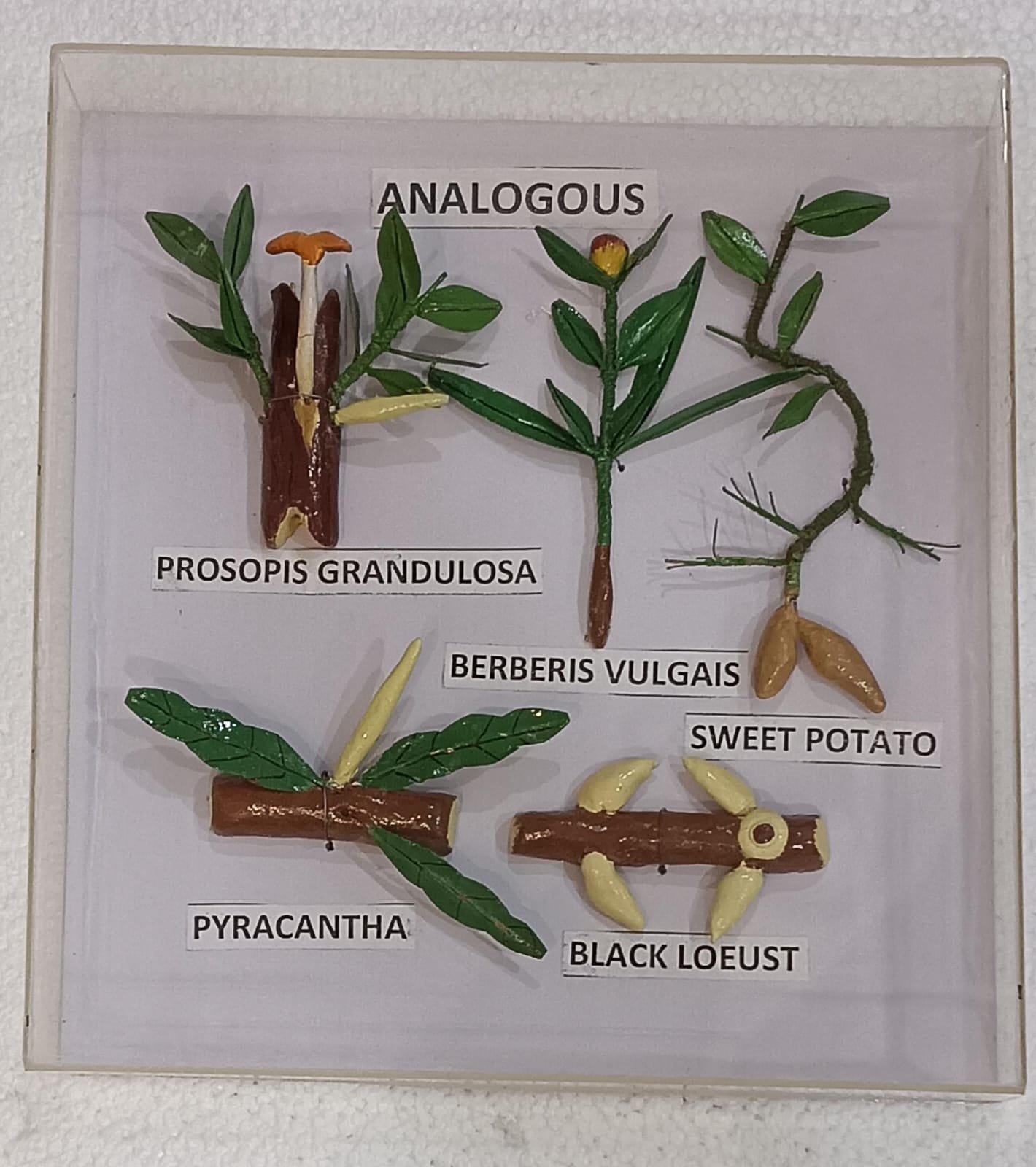
The Analogous Model is a precision-engineered representation designed to clearly exhibit structural analogies between organisms, highlighting similar functions and forms across different species. Constructed from high-quality laboratory-grade materials, the model ensures durability and long-term usage while maintaining accurate anatomical proportions. Color-coded sections and detailed surface textures provide clarity in identifying analogous organs, appendages, and adaptations, allowing users to visualize relationships in organism structure effectively. Each segment is carefully modeled to replicate natural arrangements, ensuring a realistic and informative display. The model emphasizes the functional similarities of organ systems despite evolutionary divergence, making structural comparison intuitive and visually engaging. Lightweight yet robust, it supports easy handling, observation, and demonstration without compromising delicate details. Its modular design enables repeated examination and interaction, facilitating detailed observation of individual structures. The Analogous Model serves as a precise tool for understanding morphological relationships, providing an accurate depiction of analogous structures while highlighting key adaptations. Its clarity, durability, and meticulous detailing make it a reliable reference for laboratories, collections, and scientific study environments. The model combines educational precision, practical usability, and visual fidelity, presenting structural analogies in a manner that enhances observation, understanding, and reference for scientific applications.
FAQs
1. Does the model include color-coded sections for easier identification?
Yes, each structure is distinctly color-coded to highlight anatomical differences and similarities.
2. Can the Analogous Model be displayed on laboratory tables safely?
Yes, its robust construction allows secure placement on standard laboratory surfaces and stands.
3. Are there alternative models to study evolutionary differences?
Yes, homologous structure models and comparative organism models are available for complementary analysis.
4. How should this model be maintained for longevity?
Store in a dry, clean environment, away from sunlight and extreme temperatures to prevent material degradation.
5. Is bulk purchase possible for classroom demonstrations?
Yes, multiple units can be purchased to support group or laboratory instructional requirements.