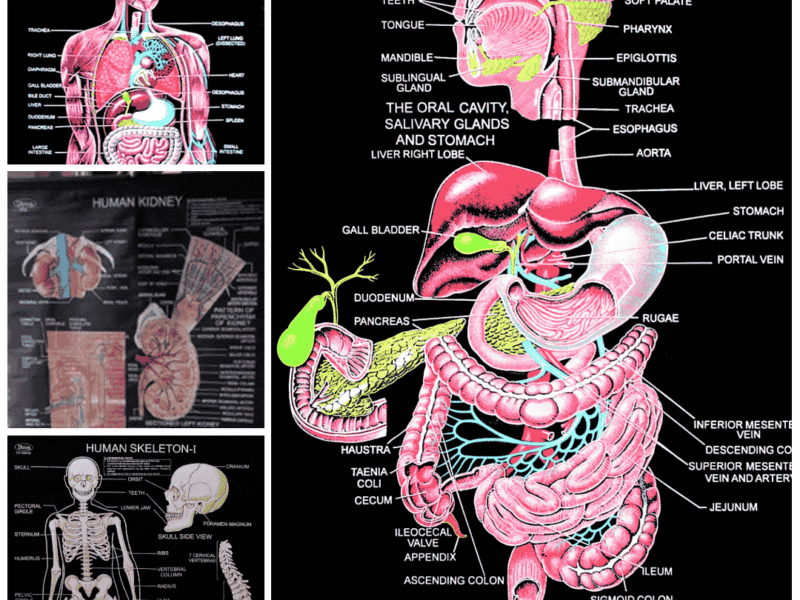
Description
Specifications Table
Product Material – Laminated Paper
Pack Size – Single Chart
Grade – Educational/Laboratory
Application – Zoology Studies, Lab Reference, Classroom Teaching
Product Overview
The Asparagus Zoology Chart is a meticulously designed educational tool that provides a clear and detailed visual representation of the Asparagus plant’s anatomical structure. Crafted with precision, this chart is an essential resource for students, researchers, and educators who require accurate botanical references for their work. The chart is printed on high-quality, laminated paper, ensuring durability and resistance to wear and tear, making it suitable for frequent use in laboratories, classrooms, and research settings. The lamination also protects the chart from moisture and spills, extending its lifespan even in demanding environments. Each illustration is labeled with scientific accuracy, offering a comprehensive view of the plant’s morphology, including roots, stems, leaves, and reproductive structures. The clarity of the visuals and the precision of the labels make this chart an invaluable aid for anyone studying plant biology or conducting botanical research. Whether used as a reference tool during experiments or as a teaching aid in educational settings, this chart delivers reliability and educational value. Its portable and lightweight design allows for easy handling and storage, ensuring it can be conveniently accessed whenever needed.
FAQs
1. What material is the Asparagus Zoology Chart made from?
The chart is made from high-quality laminated paper, which ensures durability and protection against moisture and spills, making it long-lasting for lab and classroom use.
2. Is this chart suitable for professional research applications?
Yes, the chart is designed with scientific accuracy and detailed illustrations, making it a reliable reference for both academic studies and professional research in botany and zoology.
3. Can this chart be used in humid laboratory environments?
Absolutely. The laminated surface of the chart protects it from humidity and spills, ensuring it remains in good condition even in lab settings with varying environmental conditions.
4. Are there alternative charts available for other plant species?
While this specific chart focuses on Asparagus, many suppliers offer a range of zoology and botany charts covering different plant and animal species to meet diverse educational and research needs.
5. How should I store the Asparagus Zoology Chart when not in use?
Store the chart in a flat, dry place away from direct sunlight to prevent any potential warping or fading. Rolling it up and placing it in a protective tube can also help maintain its condition over time.